
Now Reading: How to Inspect the Plans Precautions to Take When Purchasing Property
-
01
How to Inspect the Plans Precautions to Take When Purchasing Property

How to Inspect the Plans Precautions to Take When Purchasing Property

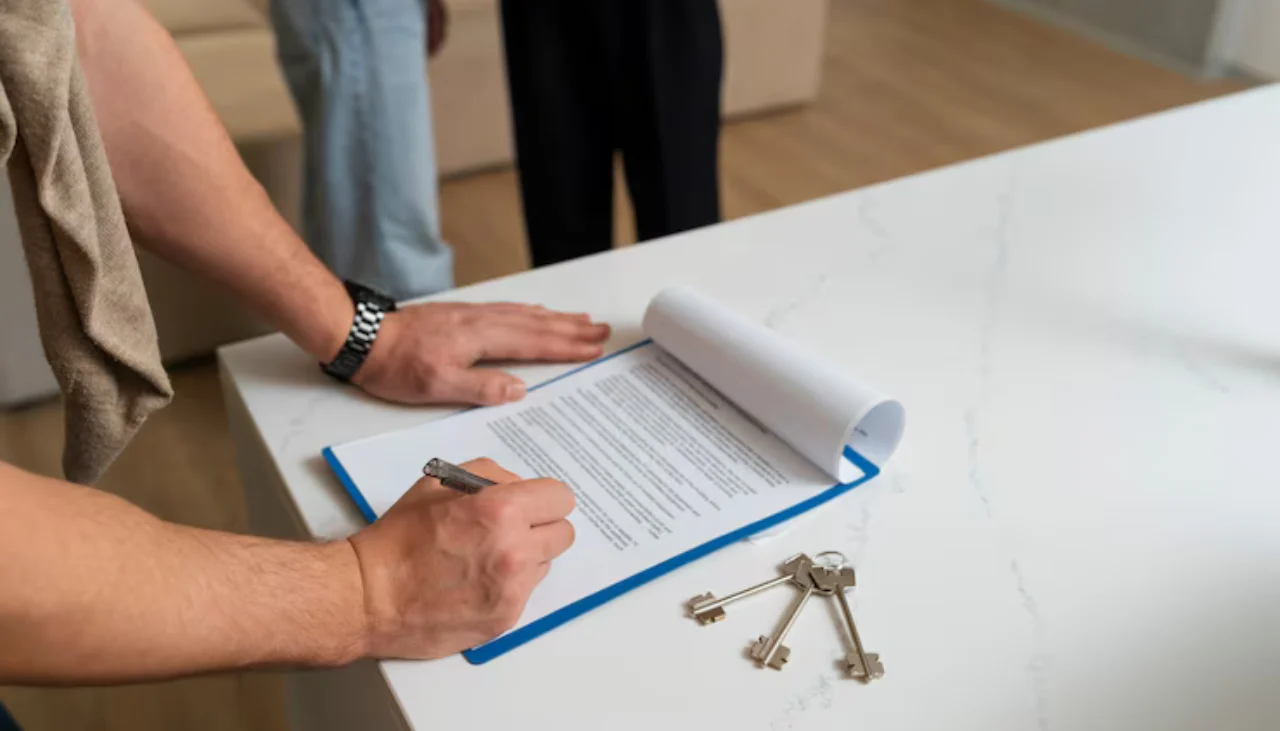
Inspect the plans before diving into a property purchase, as it is one of the most crucial steps to ensure you are making a sound investment. Buying property, whether a residential home or a piece of land, involves numerous legal, financial, and practical considerations. Among the many aspects to be cautious about, inspecting the plans for any construction or development is paramount. This simple yet significant step can save you from costly legal disputes or unforeseen complications in the future. In this article, we will explore why inspecting the plans is essential when purchasing property, and how this action can safeguard your interests.
Inspect the plans to verify the ownership and legitimacy of the seller’s rights over the property. A seller can only transfer what they legally own, so it’s essential to ensure that the individual offering the property has a valid and clear title. If there is any uncertainty about the seller’s ownership, you might end up acquiring a property with unresolved claims or disputes, which can complicate the transaction. By inspecting the plans and associated documents, you can gain insight into the legal background of the property and avoid potential legal issues.
Inspect the plans if the property you are purchasing is under construction. Ensure that the building plans have been approved by the relevant municipal or planning authorities. If the project is incomplete or still in progress, you need to be certain that the building is being constructed in accordance with the approved plans. A deviation from these plans could result in problems with local authorities, affecting your ability to fully enjoy or occupy the property. Checking the approved plans is an important step in preventing such risks.
Inspect the plans to identify any deviations from the approved design. Construction projects often experience slight modifications or changes during execution. While minor changes might not pose a problem, it is crucial to understand the nature of these deviations. For example, if there are alterations to the layout or structure that do not align with the original plans, it could lead to legal or structural complications. By scrutinizing the plans, you can identify if such changes have occurred and take necessary precautions to ensure that they are either legal or can be regularized.
Inspect the plans and find out if the deviations can be regularized. In many cases, minor changes to the approved plans can be corrected or legalized by paying a penalty to the local municipal authority. However, not all deviations can be rectified, and some may even result in the demolition of parts of the structure. It’s essential to understand the local building regulations and whether any changes made to the property’s construction can be regularized. If regularization is possible, make sure that the terms and conditions, including who bears the cost, are clearly outlined in the purchase agreement.
Inspect the plans to ensure that you’re aware of the penalties and costs associated with any regularization process. If deviations exist and can be regularized, be proactive about including this information in the contract. The agreement should specify who is responsible for paying any penalties to the municipal authority. If you’re not careful, you could end up being held responsible for unexpected costs, which might affect the overall value of the property and your finances.
Inspect the plans before finalizing the deal to avoid acquiring a property that might be partially or completely demolished by the authorities. If a building has been constructed with significant deviations that cannot be regularized, there is a risk that it will be dismantled or altered by municipal authorities, resulting in a substantial loss for you. It’s important to assess the situation fully before committing to the purchase.
Inspect the plans to see if the property has complied with all zoning laws and other regulatory requirements. Zoning laws govern how land can be used in a particular area, and failure to adhere to these rules could render the property unsuitable for your intended use. For example, you may find that a property is designated for residential use but has been illegally converted into a commercial space. If you plan to use the property for specific purposes, ensure that the building and land are in compliance with the necessary regulations.
Inspect the plans to ensure the property’s infrastructure is up to standard. This includes looking into utilities, sewage systems, water supply, and other essential services. These elements are often part of the overall development plan, and any changes or failures to meet municipal standards could lead to future inconvenience or additional expenses. Knowing whether the infrastructure aligns with the approved plans will help you avoid hidden costs and legal disputes.
Inspect the plans to assess whether the property is situated in an area prone to natural disasters or other risks. For example, properties in flood zones or earthquake-prone regions may have additional construction requirements to ensure safety. If these factors were not considered in the approved plans, you could be at risk of further damage to the property or unexpected repair costs. This is especially important if the area has undergone changes in zoning or environmental regulations.
Inspect the plans to verify the authenticity of the seller’s representation. Sellers may sometimes downplay or overlook deviations in the construction process, potentially misleading buyers about the true status of the property. By taking the time to examine the approved plans, you can compare them against what is being offered and ensure that the seller is presenting an accurate and honest representation of the property.
Inspect the plans before signing any contract to ensure all necessary documentation is in place. A proper due diligence process includes reviewing all legal and planning documents related to the property. This includes not only the approved construction plans but also any related legal documents, such as title deeds, land-use approvals, and any prior sale agreements. Confirming these details will provide clarity about the property’s legal standing and protect you from potential complications.
Inspect the plans to protect your investment and ensure the property’s future value. A property that has been built in accordance with approved plans and local regulations will likely retain or increase its value over time. On the other hand, a property that has unresolved legal or construction issues may diminish in value, making it a risky investment. By thoroughly inspecting the plans and ensuring everything is in order, you are making a well-informed decision that can safeguard your financial interests.
In conclusion, inspecting the plans is a critical step in the property purchasing process. By taking the time to examine the details of the construction and ensuring everything aligns with legal and regulatory requirements, you can avoid future complications and protect your investment. Always ensure that any deviations are documented, and that you are aware of the potential consequences of purchasing a property with unresolved issues.





Related Posts



Stay Informed With the Latest & Most Important News
Previous Post
Next Post











Advertisement