
Now Reading: ChatGPT for Realtors Using ChatGPT as a Virtual Assistant for Real Estate
-
01
ChatGPT for Realtors Using ChatGPT as a Virtual Assistant for Real Estate


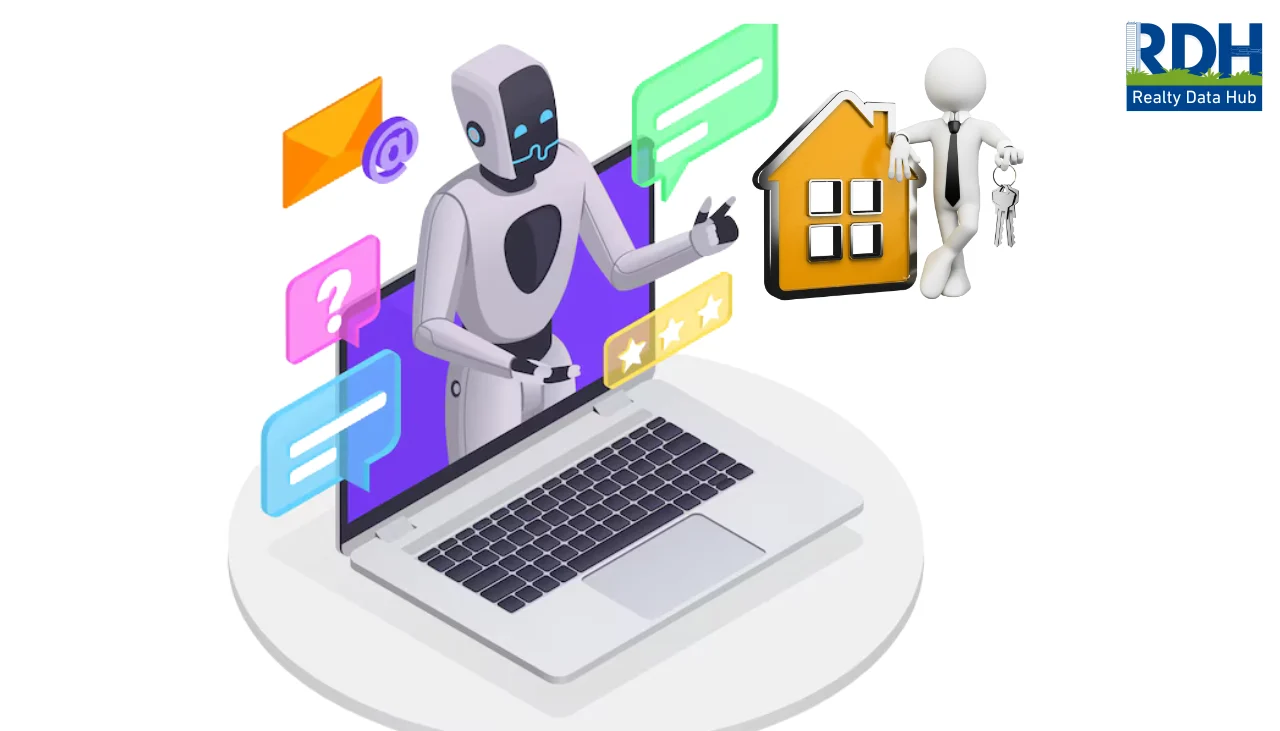
ChatGPT for realtors is rapidly becoming an indispensable tool in the real estate industry. With the increasing demand for fast, efficient, and personalized communication, ChatGPT offers real estate professionals the ability to automate various tasks, allowing them to focus more on closing deals and building relationships with clients. By incorporating ChatGPT as a virtual assistant, realtors can streamline their operations and provide better customer service, all while saving time and resources.
One of the key benefits of using ChatGPT for realtors is its ability to handle customer inquiries 24/7. Real estate clients often have questions outside of business hours, and waiting for a response can lead to frustration or missed opportunities. With ChatGPT as a virtual assistant, realtors can provide immediate responses to frequently asked questions regarding property listings, pricing, and availability. ChatGPT’s natural language processing capabilities ensure that it can understand and respond to a wide range of queries, creating a seamless and professional experience for potential clients.
In addition to customer support, ChatGPT for realtors can assist in managing appointments and scheduling property viewings. By integrating with calendar applications, ChatGPT can automatically schedule showings and send reminders to both clients and realtors, minimizing the risk of missed meetings. Furthermore, it can assist with rescheduling or coordinating meetings, reducing the time spent on administrative tasks. This functionality allows realtors to remain organized and ensures that they can allocate more time to high-priority tasks.
ChatGPT for realtors also excels in lead generation and qualification. By interacting with website visitors or social media followers, ChatGPT can capture basic lead information such as name, contact details, and preferences. Based on predefined criteria, the virtual assistant can then assess whether a lead is qualified or not, saving realtors the time and effort of sifting through low-quality leads. For example, if a user expresses interest in luxury homes within a specific price range, ChatGPT can collect their information and automatically pass it along to the realtor for follow-up.
Another significant advantage of using ChatGPT as a virtual assistant for real estate is its ability to assist with property descriptions and marketing content. Realtors can leverage ChatGPT to generate compelling property descriptions, blog posts, email campaigns, and even social media content. With its language generation capabilities, ChatGPT can produce high-quality content that is both informative and engaging, helping realtors to market properties more effectively. By automating content creation, realtors can maintain a consistent online presence without investing excessive time in writing and editing.
In addition to content generation, ChatGPT for realtors can help streamline communication between agents, clients, and team members. It can be used to send follow-up messages, confirm appointments, and update clients on the status of transactions. For example, after a property viewing, ChatGPT can send a personalized message thanking the client for their time and asking for feedback. This helps realtors maintain a professional and organized communication flow, which is essential for building trust and rapport with clients.
Furthermore, ChatGPT can assist with transaction management, making the process smoother and more efficient. Realtors often deal with a large volume of paperwork and contracts, and ensuring that everything is completed accurately can be time-consuming. ChatGPT can help by sending reminders for contract deadlines, tracking document progress, and even answering common questions related to the closing process. While ChatGPT cannot replace legal expertise, it can certainly reduce the administrative burden, allowing realtors to focus on the more complex aspects of the transaction.
ChatGPT for realtors is also highly customizable. By integrating it with existing customer relationship management (CRM) systems, real estate platforms, and other tools, realtors can tailor the virtual assistant to their specific needs. For instance, ChatGPT can be configured to respond to queries in a particular style or tone, or it can be trained to recognize specific industry terminology. This adaptability makes it a versatile tool that can enhance various aspects of a realtor’s workflow.
Another area where ChatGPT shines is in market research and analysis. Realtors need to stay updated on market trends, property values, and other relevant data in order to provide clients with accurate advice. ChatGPT can assist by pulling data from various sources and summarizing market insights, allowing realtors to make informed decisions quickly. Whether it’s identifying up-and-coming neighborhoods or understanding the impact of recent market shifts, ChatGPT’s ability to quickly analyze data and provide concise reports can be an invaluable asset.
Despite its many benefits, it’s important to recognize that ChatGPT is not a replacement for human realtors. While it can handle many tasks and automate routine processes, it still lacks the emotional intelligence and nuanced understanding that human agents bring to client interactions. The best results are achieved when ChatGPT is used in conjunction with realtors’ expertise, allowing them to focus on building relationships, negotiating deals, and providing personalized services.
In conclusion, ChatGPT for realtors offers a wide range of advantages, from improving customer service and lead generation to streamlining administrative tasks and assisting with content creation. By using ChatGPT as a virtual assistant, real estate professionals can increase their productivity, save time, and provide a more efficient and responsive service to clients. As technology continues to evolve, integrating AI-driven tools like ChatGPT into real estate operations will become increasingly essential for staying competitive in a fast-paced market.





Related Posts


Stay Informed With the Latest & Most Important News
Previous Post
Next Post












Advertisement