Now Reading: Top Hyderabad Future City 2025 Guide
-
01
Top Hyderabad Future City 2025 Guide

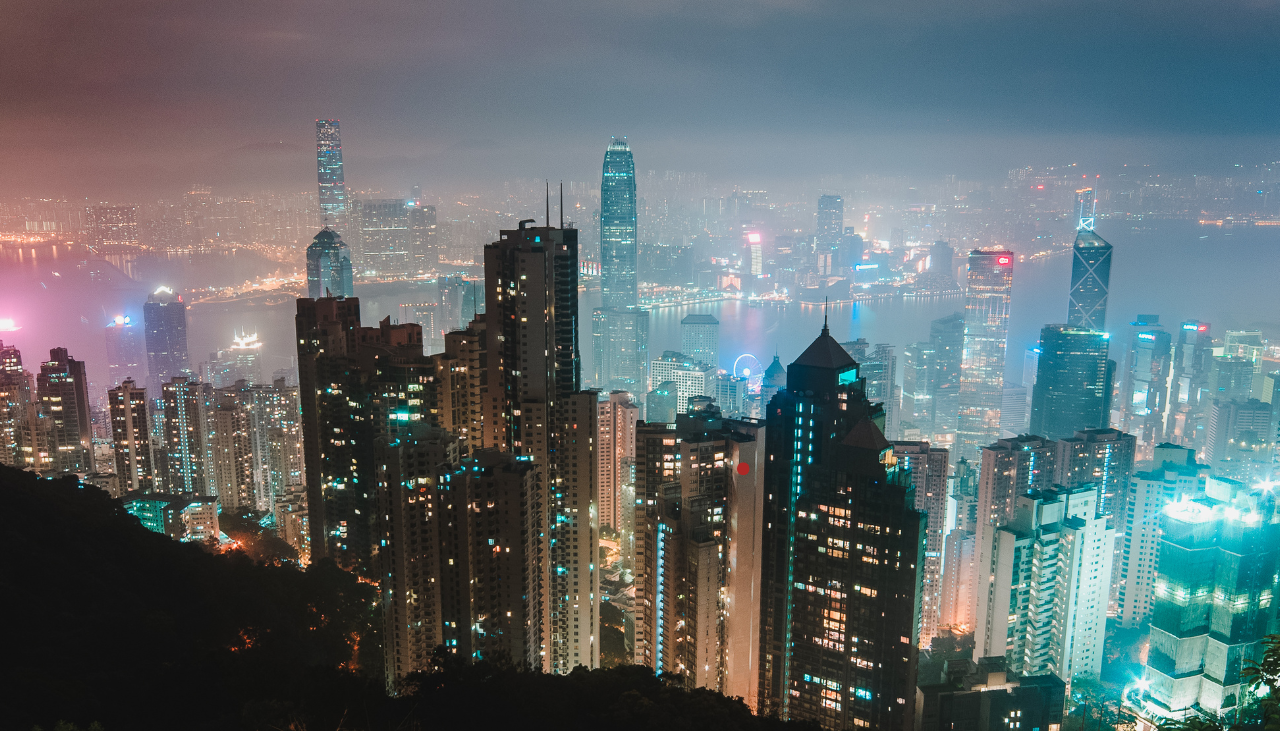
Hyderabad Future City 2025 Guide: Trends, Growth, and Investment Potential
As one of India’s fastest-growing metropolises, Hyderabad continues to evolve into a dynamic urban landscape. In 2025, the concept of Hyderabad’s future city is more than just a vision—it’s a rapidly materializing reality driven by infrastructure development, innovation, and strategic investments. This guide explores the city’s transformational journey, key growth areas, real estate hotspots, and what makes Hyderabad a future-ready urban hub.
Why Hyderabad Is Emerging as a Future City in 2025
The term Hyderabad Future City encapsulates the city’s progress in tech, infrastructure, and urban planning. With projects like the Hyderabad Pharma City, ITIR (Information Technology Investment Region), and growth corridors like the ORR (Outer Ring Road) and RRR (Regional Ring Road), Hyderabad is becoming a beacon of futuristic development.
Key driving forces behind Hyderabad’s transformation:
- Government-backed infrastructure initiatives
- Thriving IT and pharma sectors
- Rapid urbanization of peripheral zones
- Smart city projects and green infrastructure
- Rising demand for gated communities and plotted developments
Market Trends Defining Hyderabad Future City 2025
As we analyze Hyderabad’s future city in 2025, these trends are shaping the city’s trajectory:
1. Tech-Driven Urbanization
Hyderabad’s western corridor—home to HITECH City, Financial District, and Gachibowli—is witnessing exponential growth. Tech giants like Microsoft, Amazon, Google, and Apple have expanded their campuses, triggering a surge in demand for residential and commercial properties.
2. Real Estate Expansion into Emerging Zones
Developments in regions such as:
- Kollur, Tellapur, and Patancheru in the West
- Shamirpet and Medchal in the North
- Maheshwaram and Kandukur in the South
- Yadadri and Bhongir in the East
These areas are evolving into smart satellite townships within Hyderabad’s future city.
3. Infrastructure Upgrades
The extension of metro rail networks, completion of flyovers under SRDP, and expansion of the Regional Ring Road will connect outer zones to the city core, enhancing both livability and investment potential.
4. Sustainable and Green Initiatives
The Telangana government’s focus on eco-friendly policies and the Haritha Haram program make Hyderabad a future city a green urban model, attracting investors looking for sustainable living spaces.
Top Areas & Projects in Hyderabad Future City
Several micro-markets are turning into real estate goldmines in 2025. Here are a few that define the Hyderabad future city:
A. Kokapet Neopolis
A mega urban development near the Financial District offering high-rise luxury apartments, commercial towers, and IT spaces—making it a prime destination for investors and developers.
B. Pharma City, Mucherla
One of the largest pharma clusters in Asia, this project will house manufacturing units, logistics, R&D, and residential zones.
C. Adibatla Aerospace SEZ
Rapid growth in the aerospace and defense industries is drawing employment and residential demand in the Adibatla corridor.
D. Yadadri Temple City
A religious-tourism-driven smart city under development, expected to fuel real estate and hospitality growth in eastern Hyderabad.
Challenges for Hyderabad Future City
Despite positive momentum, Hyderabad’s future city faces a few challenges:
- Urban congestion in central zones
- Water management and sustainability issues in fast-growing suburbs
- Land acquisition delays for some mega projects
- Affordable housing shortage for mid-income buyers
However, proactive governance and planned expansion strategies are steadily addressing these issues.
Future Outlook: Why Invest in Hyderabad Future City?
The investment potential in Hyderabad future city is backed by solid fundamentals:
- Hyderabad ranked among the top Indian cities for ease of living
- Stable political climate and industry-friendly policies
- Affordable property prices compared to Mumbai, Bangalore
- Strong rental yields in IT corridors and suburban zones
- Huge scope for capital appreciation in upcoming layouts
Investors, developers, and buyers in 2025 are increasingly eyeing Hyderabad future city not just for residential needs but as a long-term growth engine.
Frequently Asked Questions (FAQs)
1. What is Hyderabad future city?
Hyderabad future city refers to the rapidly transforming urban zones in and around Hyderabad that are being developed with futuristic infrastructure, smart city planning, and sustainable living standards.
2. Is investing in Hyderabad future city a good idea in 2025?
Yes, with expanding infrastructure, IT growth, and government-backed projects, Hyderabad future city presents a high ROI opportunity for investors in both residential and commercial real estate.
3. Which areas come under Hyderabad future city?
Zones like Kokapet, Kollur, Shamirpet, Adibatla, Pharma City, and Yadadri are prime examples of developments under the Hyderabad future city vision.
4. What are the major challenges in Hyderabad future city?
Some ongoing challenges include traffic congestion in older zones, sustainability concerns in suburbs, and delays in certain mega projects due to land acquisition or clearances.
5. How is the government supporting Hyderabad’s future city development?
Initiatives like Pharma City, Regional Ring Road, Smart Cities Mission, and investment summits are helping fast-track development and attract global investors.
Conclusion
In 2025, Hyderabad future city stands as a blueprint for India’s urban growth. With world-class infrastructure, tech-driven zones, and sustainable planning, the city is poised to redefine modern living. For anyone looking to invest, live, or develop in a smart, futuristic metro—Hyderabad is undoubtedly a city of tomorrow, today.





Related Posts
Stay Informed With the Latest & Most Important News
Previous Post
Next Post








Advertisement