Now Reading: Top transit-oriented development hyderabad – 2025 Guide
-
01
Top transit-oriented development hyderabad – 2025 Guide


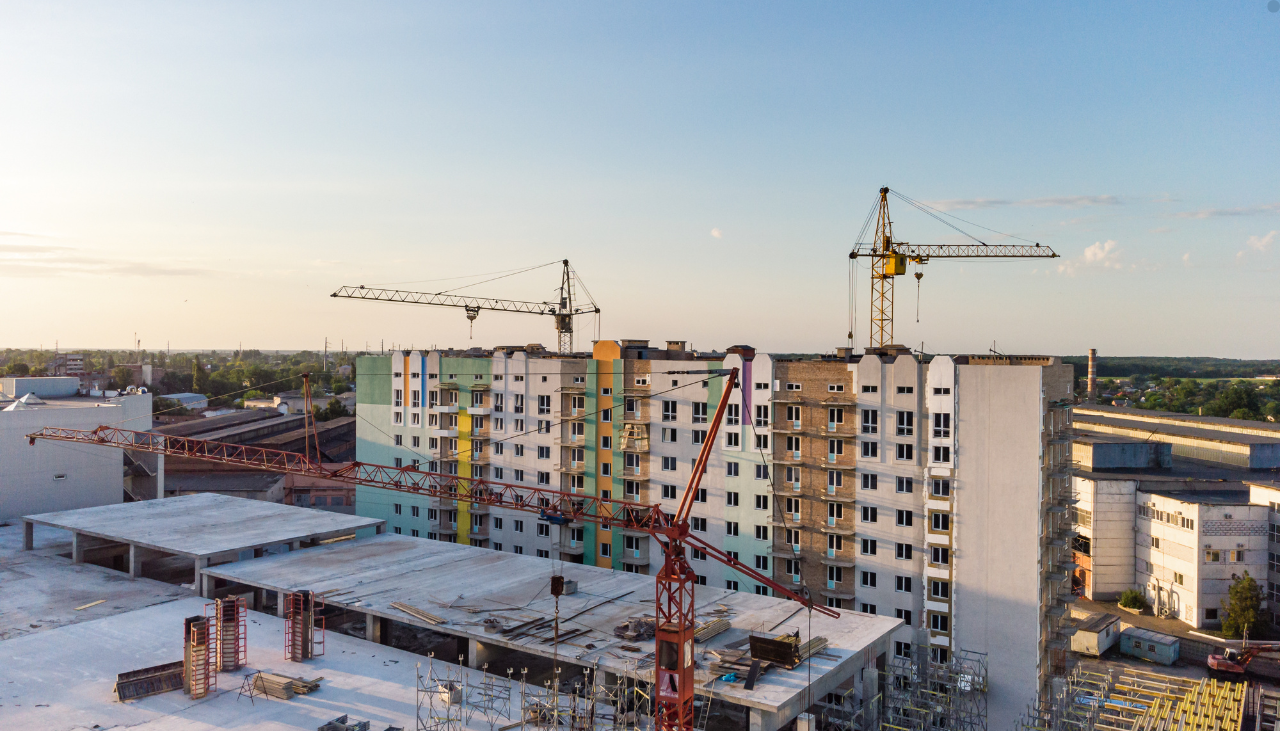
Understanding Transit-Oriented Development in Hyderabad – Why It Matters in 2025
Transit-oriented development (TOD) in Hyderabad is redefining the city’s real estate and urban planning narrative in 2025. As one of India’s fastest-growing metros, Hyderabad is actively leveraging its metro rail and MMTS (Multi-Modal Transport System) corridors to create high-density, mixed-use communities with seamless access to public transport.
With urban congestion rising and demand for sustainable city planning intensifying, transit-oriented development Hyderabad has emerged as a strategic solution for enhancing mobility, promoting walkability, and boosting real estate value around key transport hubs.
What is Transit-Oriented Development?
Transit-oriented development (TOD) refers to a type of urban development that maximizes residential, business, and leisure spaces within walking distance of public transit stations. It promotes:
- Reduced traffic congestion
- Increased use of public transport
- Higher property value near metro corridors
- Sustainable and eco-friendly community development
In 2025, transit-oriented development Hyderabad is no longer just a concept it’s a core part of the city’s master plan.
Hyderabad’s TOD Push – Key 2025 Trends
Hyderabad’s development authorities, including HMDA and HMRL, have identified several key strategies that support TOD:
📌 1. Metro Corridor Expansion
Hyderabad Metro Rail now spans over 70 km, with upcoming phases connecting emerging residential and commercial hubs like:
- Airport via Raidurg-Shamshabad Corridor
- LB Nagar to Hayathnagar
- BHEL to Lakdikapul
These extensions are catalysts for transit-oriented development Hyderabad across the west and south zones.
📌 2. Real Estate Surge Around Stations
Projects within 500–800 meters of metro stations are witnessing a price appreciation of 15–25% YoY. Mixed-use developments, commercial towers, and gated communities are in high demand in areas like:
- Miyapur
- Hitech City
- Raidurg
- Uppal
- Nagole
📌 3. Government Support
Policies such as the Transit Oriented Development Policy of Telangana 2023 promote:
- Higher Floor Area Ratios (FAR) near transit zones
- Incentives for mixed-use development
- Green building certifications
Prominent TOD Projects in Hyderabad – 2025 Highlights
Some of the most talked-about TOD-focused projects in 2025 include:
🌇 My Home Sayuk – HITEC City
A massive integrated township located near Raidurg Metro Station. Offers luxury residences, retail, office spaces, and green landscapes all within a walkable radius.
🌇 Vasavi Skyla – Hitech City Metro
Just 5 minutes from the metro, this luxury residential project is designed with TOD principles to ensure connectivity, lifestyle, and community living.
🌇 Asian Sun City – Uppal
A commercial-residential TOD development gaining investor interest due to its strategic location and proximity to both metro and bus stations.
Challenges in Implementing Transit-Oriented Development Hyderabad
While the progress is promising, several challenges remain:
- Land acquisition delays near metro stations
- Coordination gaps between government agencies and private developers
- Limited last-mile connectivity in peripheral TOD zones
- Resistance to high-density zoning in traditional neighborhoods
Addressing these challenges is key to making transit-oriented development Hyderabad more inclusive and effective.
Future Outlook – Why TOD is the Future of Hyderabad
By 2030, Hyderabad aims to be among the top 3 global cities for smart mobility and urban living. Transit-oriented development Hyderabad is central to this vision. Future plans include:
- Integrating metro rail with electric buses, EV stations, and bicycle paths
- Encouraging vertical growth along corridors through revised urban policies
- Developing affordable housing within TOD zones to ensure equitable access
With strong investor interest and policy support, TOD is poised to shape Hyderabad’s skyline and lifestyle over the next decade.
Frequently Asked Questions (FAQs)
1. What is transit-oriented development Hyderabad?
Transit-oriented development Hyderabad refers to high-density, mixed-use real estate projects built around metro and transport stations to promote sustainable and connected urban living.
2. Why is TOD important for Hyderabad in 2025?
TOD helps reduce traffic, boosts real estate value, improves public transport usage, and aligns with Hyderabad’s smart city goals.
3. Which areas in Hyderabad are seeing the most TOD activity?
Key TOD zones include Hitech City, Raidurg, Miyapur, Uppal, Nagole, and the BHEL corridor. These areas are witnessing increased infrastructure and real estate investment.
4. Is investing in TOD zones a good idea in 2025?
Yes. Properties near metro stations offer higher rental yield, better capital appreciation, and long-term value, making TOD zones attractive to both end-users and investors.
5. What policies support TOD in Hyderabad?
The Telangana government’s TOD policy 2023 offers FAR incentives, mixed-use zoning, and support for eco-friendly developments around transport corridors.
Final Thoughts
As Hyderabad grows into a modern urban powerhouse, transit-oriented development Hyderabad stands as a defining trend for 2025 and beyond. For real estate investors, developers, and homebuyers, understanding and leveraging TOD strategies will be key to future-proofing investments in this dynamic city.





Related Posts



Stay Informed With the Latest & Most Important News
Previous Post
Next Post









Advertisement