
Now Reading: Village Map Verification: Property Verification Checklist for Village Map Verification of Properties in Hyderabad, Telangana
-
01
Village Map Verification: Property Verification Checklist for Village Map Verification of Properties in Hyderabad, Telangana

Village Map Verification: Property Verification Checklist for Village Map Verification of Properties in Hyderabad, Telangana

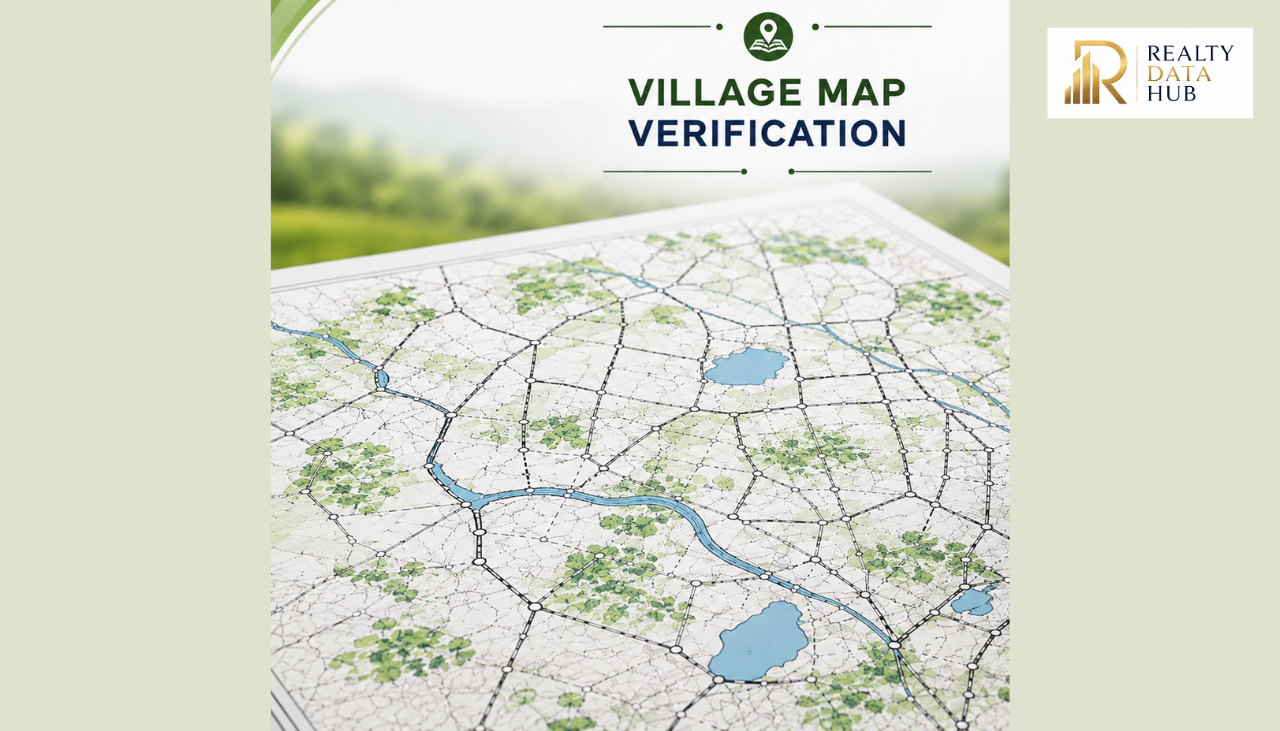
Village Map Verification is an essential step in evaluating properties located in and around villages that are connected to the Hyderabad, Telangana region. As urban expansion continues, agricultural lands, village properties, layouts, and converted plots are increasingly becoming part of real estate decisions. A proper verification process helps buyers understand ownership history, land classification, boundaries, approvals, and possible legal concerns before making commitments. Village maps provide important details about survey numbers, land positioning, access routes, and surrounding parcels, making them a valuable reference during property due diligence.
Buying property without checking village records and related documents can create long-term complications. A buyer should examine government records, revenue documents, ownership papers, and approved plans to confirm that the property being offered matches the actual land on the ground. The process requires attention to detail because differences between records, maps, and physical measurements can lead to disputes.
Check the antecedents of the vendor(s) before entering into any property transaction to understand ownership background, previous dealings, and credibility.
In Hyderabad and nearby areas of Telangana, village map verification usually involves reviewing documents maintained by revenue authorities, examining survey details, and confirming whether the property boundaries correspond with official records. The village map helps identify the location of the property in relation to roads, water bodies, government lands, neighboring plots, and other important features.
A buyer should collect essential documents before beginning verification. These may include the sale deed, previous ownership documents, encumbrance certificate, pattadar passbook where applicable, title documents, layout approvals, land conversion certificates, and copies of village maps or survey sketches. Each document should be examined carefully for consistency.
Check the antecedents of the vendor(s) to confirm whether the seller has a legitimate connection with the property and whether there are any known concerns related to ownership.
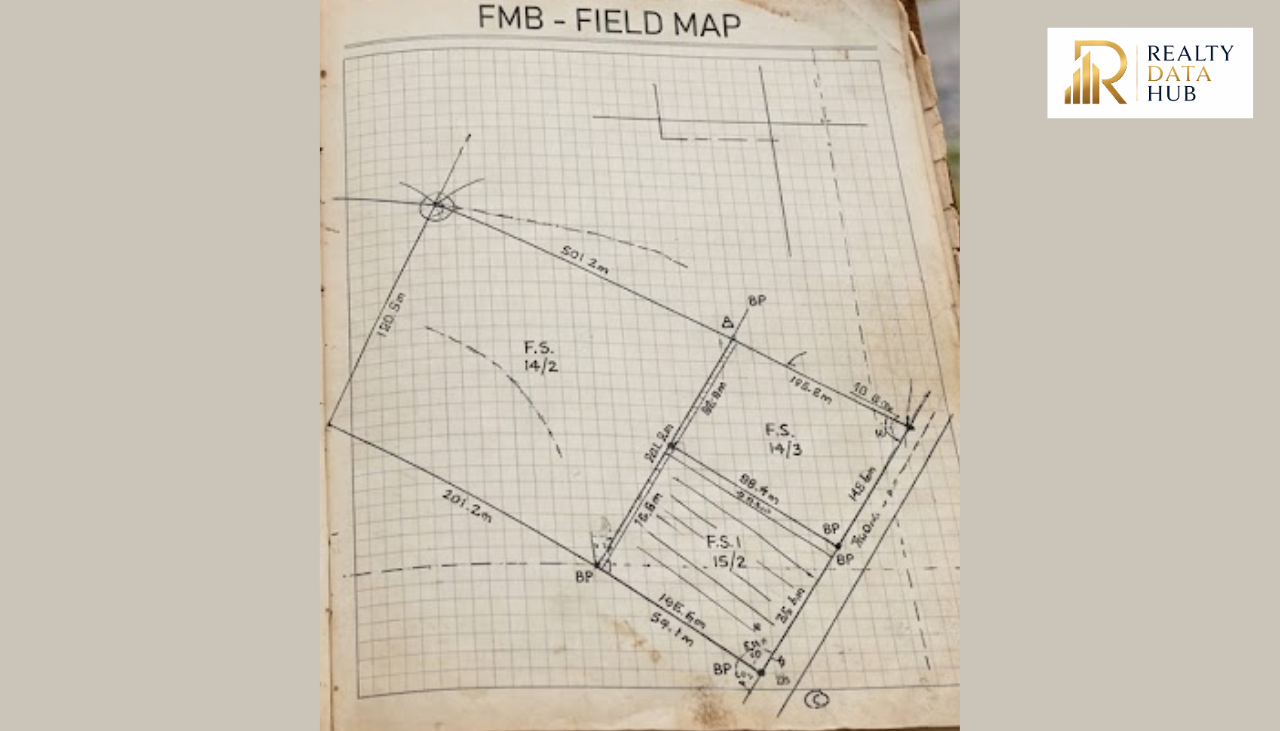
The survey number is one of the most important details in village property verification. Buyers should compare the survey number mentioned in the sale documents with revenue records and the village map. Any mismatch should be investigated before proceeding further. Subdivision details, boundaries, and extent of land should also be verified.
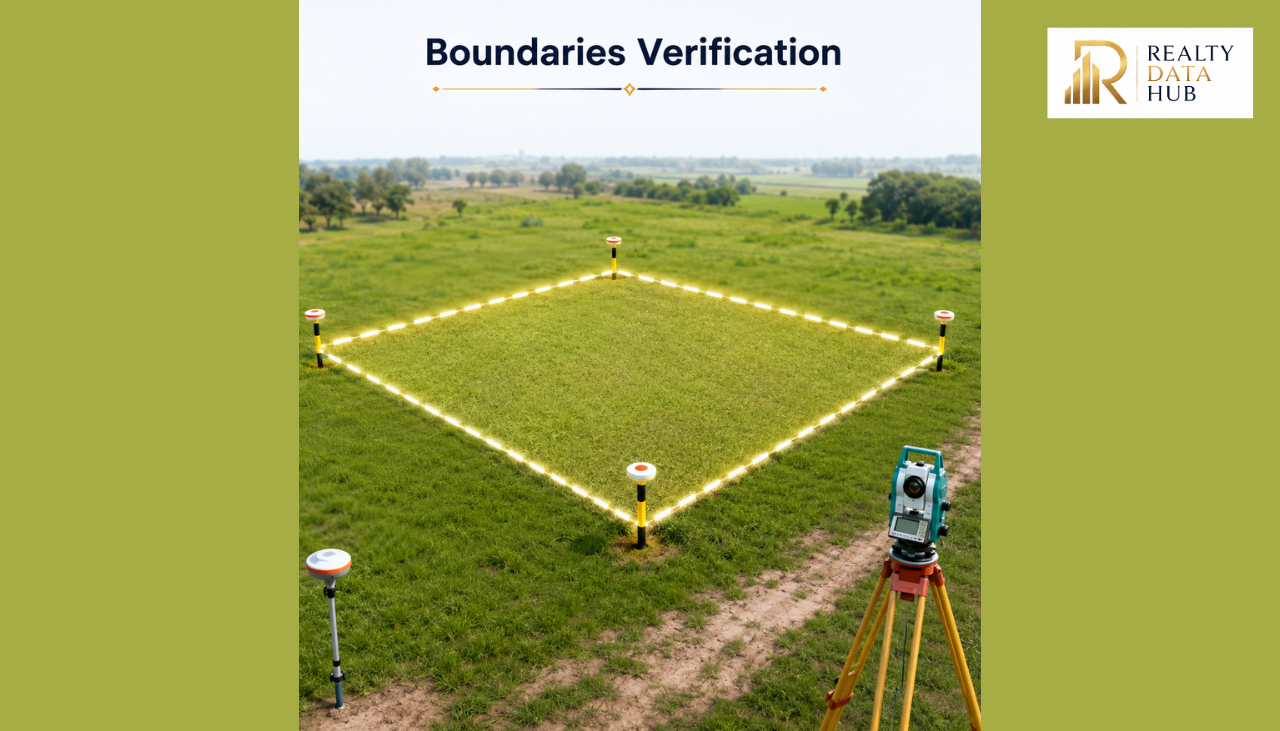
A professional surveyor may be engaged to conduct a physical measurement of the property. This helps confirm whether the actual possession area matches the documents. Encroachments, incorrect boundaries, or overlapping claims can often be identified through a proper survey.
Check the antecedents of the vendor(s) by reviewing available ownership records, transaction history, and supporting documents provided during verification.
The legal status of land is another important factor. Some village properties may have restrictions due to government acquisition proposals, assigned land conditions, litigation, environmental rules, or prohibited land categories. Buyers should verify whether the property can legally be sold and transferred.
Village maps can also help buyers understand future development possibilities. Properties near expanding roads, proposed infrastructure, or growing residential zones may attract interest, but development potential should not replace legal verification. A property with unclear ownership or missing approvals can create risks despite its location advantages.
Check the antecedents of the vendor(s) and verify whether the seller has disclosed all relevant information about the property, including previous agreements, disputes, or claims.
A property verification checklist for Village Map Verification of properties in Hyderabad, Telangana should include the following points:
Property Verification Checklist
☐ Obtain a copy of the village map and confirm the property location.
☐ Verify the survey number, subdivision number, and land extent mentioned in documents.
☐ Match the village map details with revenue records.
☐ Check ownership documents from the earliest available title holder to the current owner.
☐ Verify the sale deed and previous transfer documents.
☐ Obtain and review the encumbrance certificate.
☐ Confirm whether the property has any mortgages, legal claims, or pending disputes.
☐ Verify land classification and usage permissions.
☐ Check whether agricultural land conversion approvals are required or already obtained.
☐ Confirm approved layouts and permissions from relevant authorities.
☐ Conduct a physical survey and compare boundaries with official records.
☐ Identify nearby government lands, water bodies, roads, and restricted areas.
☐ Check whether access roads shown in documents exist on the ground.
☐ Confirm property tax payments and applicable local records.
☐ Review any pending court cases or notices related to the property.
☐ Obtain legal advice for complex ownership structures or inherited properties.
☐ Maintain copies of all verified documents and transaction records.
Check the antecedents of the vendor(s) before signing agreements, paying advances, or transferring funds because seller verification is a critical part of property safety.
Another important aspect is checking the authority of the person selling the property. If the property belongs to multiple owners, inherited owners, companies, or representatives acting through power of attorney, additional verification may be required. Buyers should ensure that every required person has approved the transaction legally.
The role of government records is significant in village map verification. Telangana revenue records, registration records, and local administrative documents provide valuable information about land identity and ownership. However, no single document should be considered sufficient on its own. A complete verification process requires comparing multiple sources.
Check the antecedents of the vendor(s) to determine whether the person presenting the documents is actually authorized to sell the property.
Buyers should also pay attention to the physical surroundings of the property. A village map may show important features such as roads, drainage paths, public areas, and neighboring survey numbers. A site inspection can reveal differences between planned boundaries and actual conditions.
Check the antecedents of the vendor(s) again before finalizing the agreement, especially when the transaction involves large investments or properties with complex histories.
The agreement of sale should clearly mention property details, survey numbers, boundaries, payment terms, timelines, and responsibilities of both parties. Avoid relying only on verbal promises. Written documentation reduces confusion and provides clarity for future reference.
Check the antecedents of the vendor(s) through available records and ensure that all statements made by the seller are supported by documents.
Technology has made property verification easier. Digital land records, online registration services, and mapping tools can support the verification process. However, digital information should be cross-checked with official certificates and physical inspection whenever necessary.
Check the antecedents of the vendor(s) as part of a complete due diligence process rather than treating it as a separate formality.
Village Map Verification is not only about confirming a location on a map. It is about establishing confidence that the property has a clear identity, proper documentation, and lawful ownership. Careful verification protects buyers from unexpected disputes and helps create a transparent property transaction environment.
Check the antecedents of the vendor(s) before completing the final purchase process to ensure that the transaction is based on verified information.
For properties in Hyderabad, Telangana’s village areas, a systematic checklist-based approach can make verification more organized. Reviewing documents, confirming maps, conducting surveys, and obtaining professional guidance where required can reduce uncertainty.
Check the antecedents of the vendor(s) at every important stage of the transaction, from initial discussions to final registration.
A careful approach to Village Map Verification allows buyers to make informed decisions. Property ownership is a long-term responsibility, and proper verification provides a foundation for secure investment. By combining document checks, map analysis, legal review, and seller verification, buyers can better understand the property they intend to purchase.
Check the antecedents of the vendor(s) as the final reminder that responsible verification includes both the land and the person offering it for sale.





Related Posts


Stay Informed With the Latest & Most Important News










Advertisement