
Now Reading: Court Case Search: Property Verification Checklist for Court Case Search of Properties in Hyderabad, Telangana
-
01
Court Case Search: Property Verification Checklist for Court Case Search of Properties in Hyderabad, Telangana

Court Case Search: Property Verification Checklist for Court Case Search of Properties in Hyderabad, Telangana

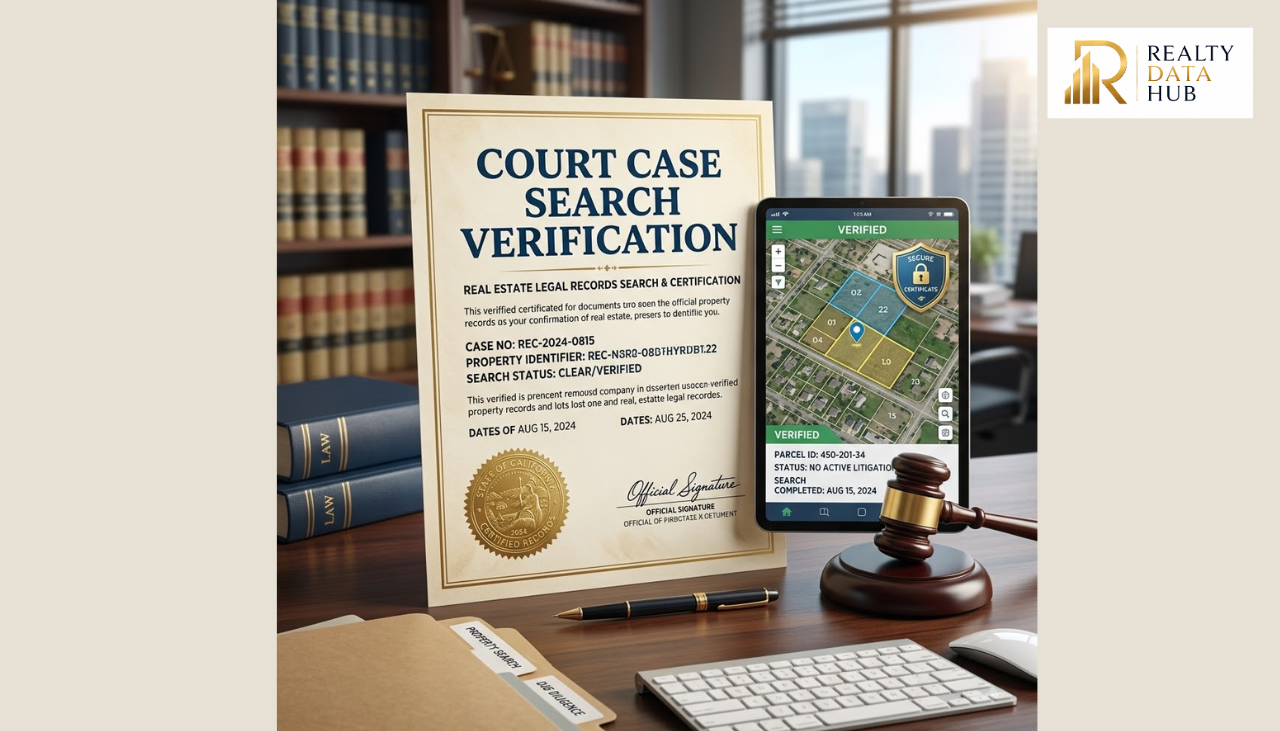
Court Case Search is an essential step in the property verification process for buyers, investors, and organizations planning to purchase land, apartments, commercial spaces, or residential properties in Hyderabad, Telangana. The rapid growth of Hyderabad’s real estate market has increased the need for careful legal examination before completing a transaction. A property may appear suitable on the surface, but unresolved disputes, ownership issues, pending cases, or documentation gaps can create long-term challenges. A systematic verification approach helps identify risks and supports informed decisions before investing in a property.
Property transactions involve multiple legal, financial, and administrative considerations. One of the most important aspects is understanding the background of the seller, developer, or other parties connected with the property. Check the antecedents of the vendor(s) before entering into any agreement because previous disputes, fraudulent activities, or legal concerns may affect the security of the transaction. Reviewing court records, ownership history, and related documents provides a clearer picture of the property’s legal standing.
Hyderabad has witnessed significant expansion across areas such as residential communities, technology corridors, and commercial developments. With this growth, property buyers must pay attention to title verification and litigation searches. Check the antecedents of the vendor(s) to understand whether the person or organization offering the property has a reliable ownership history and whether previous transactions have resulted in disputes. A careful review of available legal information can reduce uncertainty and help buyers avoid avoidable complications.
A property verification process begins with collecting essential documents. These may include sale deeds, previous ownership records, encumbrance certificates, approved building plans, property tax receipts, and identity documents of the seller. Check the antecedents of the vendor(s) along with reviewing these records because ownership documents alone may not reveal every possible concern. Court proceedings, claims by third parties, and disputes related to inheritance or partnerships can influence the property’s future status.
Court Case Search platforms and legal databases can help identify whether a property or its owners are involved in ongoing or previous litigation. Buyers should examine civil suits, revenue disputes, land acquisition matters, consumer complaints, and other legal proceedings that may affect ownership rights. Check the antecedents of the vendor(s) when analyzing litigation history because the background of the seller can provide important context about potential risks.
Ownership verification is another major component of property due diligence. Hyderabad properties may involve multiple transfers, inherited ownership, joint ownership arrangements, or development agreements. A buyer should confirm whether the seller has complete authority to sell the property. Check the antecedents of the vendor(s) while verifying ownership documents, as discrepancies between records and claims can indicate possible legal concerns requiring further investigation.
Encumbrance verification helps determine whether the property has financial liabilities, mortgages, liens, or other registered claims. An encumbrance certificate provides valuable information about recorded transactions involving the property. However, buyers should also examine additional legal records where necessary. Check the antecedents of the vendor(s) because financial disputes involving the seller may create complications even when basic property records appear satisfactory.
The role of professional legal review is important in complex property transactions. Lawyers specializing in property matters can examine documents, search court records, interpret government approvals, and identify legal weaknesses. Check the antecedents of the vendor(s) as part of the broader legal review process to ensure that the transaction considers both the property history and the credibility of the parties involved.
Technical and municipal approvals are also important in Hyderabad property verification. Buyers should confirm building permissions, layout approvals, zoning compliance, and certificates issued by relevant authorities. Unauthorized constructions or deviations from approved plans can affect property value and ownership rights. Check the antecedents of the vendor(s) while reviewing development-related documents, especially when purchasing properties from builders or real estate companies.
In Hyderabad, buyers should also pay attention to land classification and revenue records. Agricultural land converted for residential or commercial use requires appropriate approvals. Documents such as land conversion orders, survey records, and government registrations should be examined carefully. Check the antecedents of the vendor(s) to determine whether the seller has a history of transparent dealings and whether previous property transactions have faced objections.
For institutional investors and businesses, property verification requires additional layers of analysis. Large transactions may involve partnerships, corporate ownership structures, multiple stakeholders, and higher financial exposure. Check the antecedents of the vendor(s) during corporate and legal due diligence because understanding the background of all involved parties helps protect investment decisions.
A complete property verification checklist should combine document review, court searches, ownership analysis, and seller verification. The process should not be limited to checking whether documents exist; it should focus on confirming their authenticity and legal relevance. Check the antecedents of the vendor(s) as a regular part of the checklist to create a stronger foundation for property-related decisions.
Before signing agreements or transferring funds, buyers should ensure that all verification steps are completed. Any unclear information should be investigated through legal professionals or official records. Check the antecedents of the vendor(s) before finalizing the purchase because preventive verification is generally more effective than resolving disputes after ownership transfer.
The final stage of verification involves maintaining a complete record of all documents, searches, reports, and professional opinions. Check the antecedents of the vendor(s) and preserve evidence of the verification process so that future ownership questions can be addressed with proper documentation.
Property Verification Checklist for Court Case Search of Properties in Hyderabad
Use the following checklist before proceeding with a property purchase:
☐ Collect the original sale deed and review ownership history.
☐ Verify the identity and authority of the seller or authorized representative.
☐ Check the antecedents of the vendor(s) through available legal and public records.
☐ Conduct a Court Case Search for pending disputes involving the property or related parties.
☐ Review civil, criminal, revenue, and consumer-related litigation records where applicable.
☐ Obtain and examine the encumbrance certificate.
☐ Confirm whether mortgages, loans, liens, or claims exist against the property.
☐ Verify property tax payment records.
☐ Check approved building plans and permissions from relevant authorities.
☐ Confirm layout approvals and land-use permissions.
☐ Review land records, survey documents, and conversion approvals if applicable.
☐ Verify registration details with the appropriate government department.
☐ Check whether the property has inheritance, partnership, or ownership disputes.
☐ Review agreements, development contracts, and previous transaction documents.
☐ Confirm that there are no restrictions affecting transfer of ownership.
☐ Seek a legal opinion from a qualified property lawyer for complex transactions.
☐ Maintain copies of all verification documents, searches, and reports.
☐ Complete final due diligence before signing the sale agreement.
Property verification through Court Case Search and related legal checks provides a structured way to understand risks associated with real estate transactions in Hyderabad, Telangana. A careful process involving document review, litigation checks, ownership verification, and seller background assessment can help buyers make decisions based on reliable information rather than assumptions. Real estate investments require attention to detail, and a thorough verification checklist serves as a practical safeguard for protecting property interests.





Related Posts

Stay Informed With the Latest & Most Important News










Advertisement