
Now Reading: Home Staging Tips for Selling Techniques That Sell
-
01
Home Staging Tips for Selling Techniques That Sell



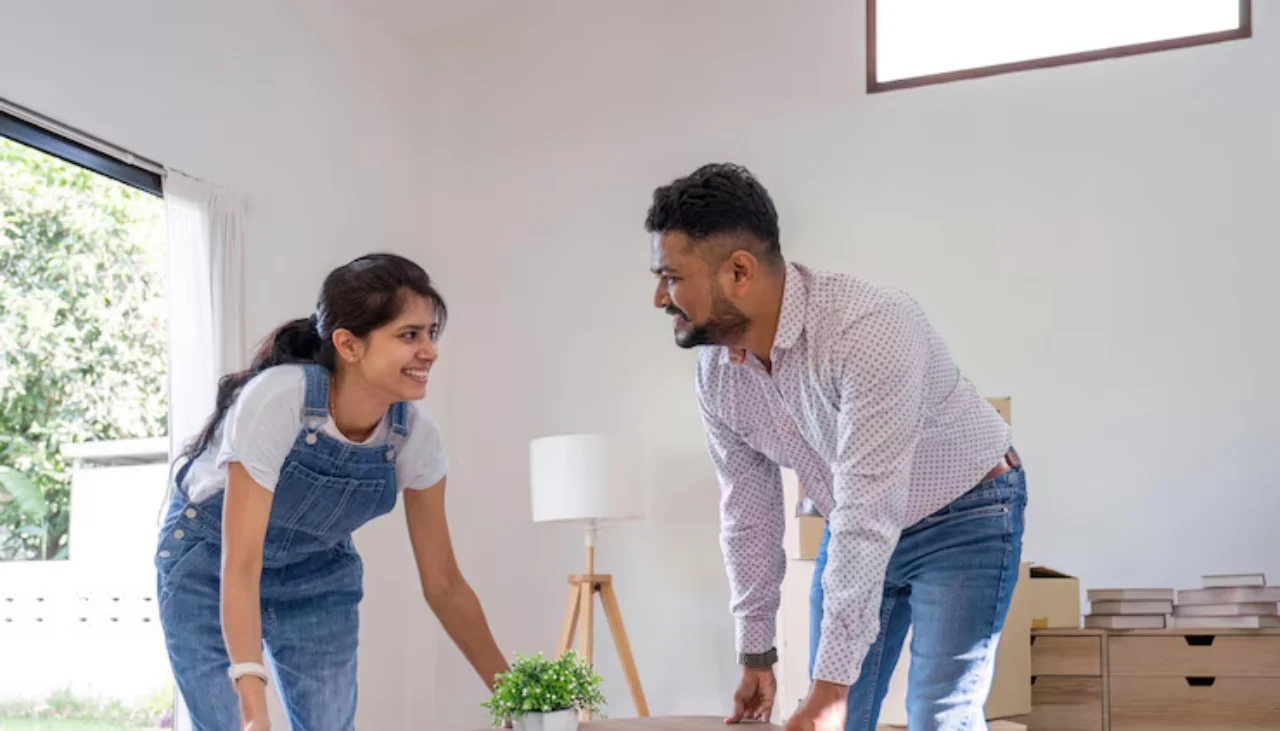
Home staging tips for selling a property can significantly impact the way buyers perceive a home, often influencing how quickly it sells and for how much. In today’s competitive real estate market, buyers expect homes to be move-in ready, clean, and appealing. Home staging is not about decoration or personal taste, it’s about creating a neutral environment that highlights a property’s strengths and allows buyers to imagine themselves living there. In this article, we’ll cover practical and effective home staging tips for selling your property that don’t require flattery, just actionable advice based on what works.
Why Home Staging Matters
Home staging tips for selling should be grounded in the reality of buyer psychology. Most buyers form an impression of a home within the first few minutes of seeing it. If a space looks cluttered, dated, or too personalized, it can distract from the home’s actual features like layout, natural light, or square footage. Staging helps guide the buyer’s eye to what matters most.
Declutter and Depersonalize
Among the most fundamental home staging tips for selling is to declutter and depersonalize. Remove excessive furniture, personal photos, collections, and anything that takes up visual space. The goal is to create a clean slate. Buyers want to envision their own belongings in the space not feel like they’re walking through someone else’s home. This step also includes minimizing décor. Stick to neutral, simple pieces.
Deep Clean Every Surface
No list of home staging tips for selling would be complete without emphasizing cleanliness. From ceiling fans to baseboards, every surface should be spotless. Pay special attention to bathrooms and kitchens. These rooms are key decision points for buyers. Eliminate odors, clean grout, shine up appliances, and make sure windows are crystal clear to allow in as much light as possible.
Use Light Strategically
One of the most overlooked home staging tips for selling is to optimize light. Open all curtains and blinds to let natural light in. Replace old or dim light bulbs with bright, white ones to make each room feel more inviting. Consider using floor or table lamps in darker corners. Light makes spaces appear larger and more open qualities that most buyers are looking for.
Neutralize the Color Palette
If your walls are painted in bold or unique colors, repainting them in neutral tones is one of the most cost-effective home staging tips for selling. Shades like white, beige, and soft gray appeal to a broader range of buyers and make rooms feel brighter and cleaner. A fresh coat of paint also helps eliminate signs of wear.
Arrange Furniture to Maximize Space
Proper furniture arrangement is critical when considering home staging tips for selling. Remove bulky or unnecessary items and place furniture in a way that maximizes open floor space. The goal is to make the room feel spacious and allow easy movement. Avoid pushing all furniture against the walls, this can actually make a room feel smaller. Create natural conversation areas and define the purpose of each room clearly.
Focus on Curb Appeal
Home staging tips for selling should also extend outside the home. First impressions begin at the curb. Trim the lawn, clean walkways, plant seasonal flowers, and make sure the front door is clean and in good condition. If necessary, repaint the door or add a new welcome mat. These small touches can significantly improve the overall impression of your property.
Highlight Key Features
Effective home staging tips for selling involve drawing attention to a home’s best features. Whether it’s a fireplace, large windows, or original wood floors, make sure these elements are not hidden behind furniture or clutter. Use subtle staging elements like lighting or artwork to lead the eye to these details.
Use Mirrors to Add Depth
Strategically placed mirrors can help make small spaces feel larger, one of the more strategic home staging tips for selling. Mirrors reflect light and create the illusion of depth, which is especially useful in small entryways or narrow hallways. Just make sure the mirrors reflect something visually appealing.
Update Fixtures and Hardware
Sometimes the smallest changes have the biggest impact. Among the home staging tips for selling, updating dated cabinet hardware, faucets, and light fixtures can give a more modern look to your space without the need for a major renovation. These updates are affordable but noticeable to buyers.
Stage Every Room Even the Small Ones
Don’t leave rooms empty. One of the practical home staging tips for selling is to show the function of every space. A spare room can be staged as a home office or a guest bedroom. Even small nooks can become reading corners or storage spaces. This helps buyers see the full potential of the property.
Keep Pets and Their Items Out of Sight
Buyers may not be animal lovers. Another essential point in home staging tips for selling is to remove any signs of pets during showings. This includes food bowls, litter boxes, toys, and pet beds. Also, ensure that there are no lingering pet odors. A neutral-smelling, tidy home is more universally appealing.
Final Walk-Through Before Showings
Lastly, one of the most important home staging tips for selling is to do a final walk-through before each showing. Make beds, put away laundry, clear countertops, and turn on all the lights. You want the home to be in its best possible condition every time a potential buyer walks through the door.
Conclusion
These home staging tips for selling are grounded in simple, realistic actions that make a home more marketable. Whether you’re working with a professional stager or preparing your home yourself, the key is to create an environment that is clean, neutral, and welcoming. By focusing on what appeals most to buyers space, light, and cleanliness you increase your chances of a quicker and more profitable sale.





Related Posts


Stay Informed With the Latest & Most Important News
Previous Post
Next Post








Advertisement