
Now Reading: How to Check the Original Documents Property Purchase Precautions You Must Know
-
01
How to Check the Original Documents Property Purchase Precautions You Must Know


How to Check the Original Documents Property Purchase Precautions You Must Know


Check the original documents; these words may seem repetitive, but they are the cornerstone of a safe and legally sound property purchase. When you’re considering a major investment like buying property or land, this simple instruction carries weight far beyond paperwork. It is a shield against future disputes, legal entanglements, and financial loss. Property deals can look lucrative, but beneath the surface may lie hidden complications. These complications often stem from issues with ownership, title defects, or undisclosed encumbrances. The only way to minimize these risks is to check the original documents with diligence, not assumption.
Every property purchase begins with trust but must be backed by verification. Check the original documents to determine whether the seller truly owns the property and has the right to sell it. If they possess valid and complete title deeds, you inherit those same rights upon purchase. But if their ownership is flawed or contested, your claim to the property will be equally vulnerable. You cannot acquire a better title than the one held by the seller.
There is a common mistake that many buyers make: relying on photocopies or digital scans sent via email. These may be useful for initial review, but they are no substitute for physically verifying the originals. Check the original documents by holding them in your hands, reading them line by line, and if necessary, comparing them with certified copies obtained from the sub-registrar’s office or revenue records.
When a seller says that the original documents are missing, take that as a red flag not necessarily a deal-breaker, but certainly a cause for caution. Check the original documents, and if they are unavailable, inquire thoroughly. Has the seller filed a police complaint about the loss? Is there an FIR available? What steps have been taken to trace the documents? A prudent seller will have followed due process. Their responses should not be vague or dismissive. If they can’t provide clear answers, it is better to walk away than risk years of litigation.
It’s also crucial to consider the possibility that the original documents are not lost at all, but are held as collateral. Properties are often mortgaged with banks, housing finance companies, or even private lenders. This creates a charge or encumbrance on the property, which may not be immediately visible unless you check the original documents and conduct a proper search at the sub-registrar’s office. An encumbered property, if purchased unknowingly, can drag you into endless legal complications.
Another key safeguard is the issuance of a public notice before you proceed with the purchase, especially if the seller is only able to provide certified copies. This not only alerts any potential claimants to come forward but also gives you legal strength later if disputes arise. But remember, this is not a replacement for the original title deeds. Check the original documents even if a public notice has been issued the two go hand in hand.
If you are buying land or property from someone who inherited it, be even more cautious. Check the original documents like succession certificates, legal heir certificates, or probated wills. These confirm whether the person has truly inherited the right to sell. In the case of jointly owned property, ensure that all co-owners are consenting to the sale, and their signatures are present on the sale deed.
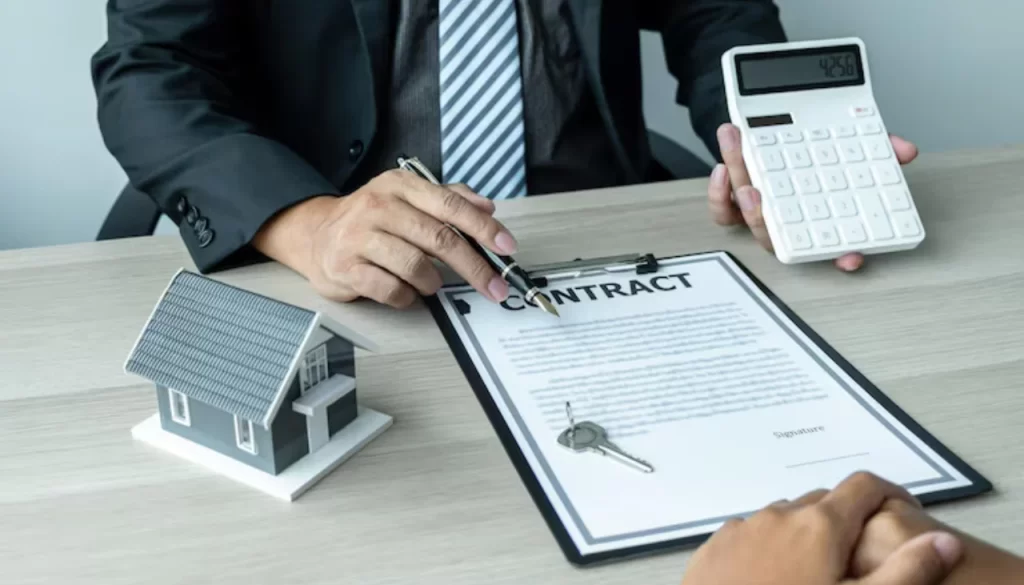
Before making any payments whether token advance or full consideration insist once again: check the original documents. Let this become a mantra for every step of your property buying journey. Legal due diligence does not end with the seller’s assurances. It extends to verifying previous transactions, encumbrance certificates, tax receipts, and layout approvals. These all contribute to the completeness of a property’s documentation. But the foundation remains the same, check the original documents.
Also, don’t underestimate the power of professional help. Engaging a property lawyer to scrutinize the documents can save you from pitfalls that a layperson might overlook. Lawyers are trained to detect inconsistencies in title, improper transfers, or potential disputes that may not be obvious at first glance. But even they would tell you to check the original documents first before drawing conclusions.
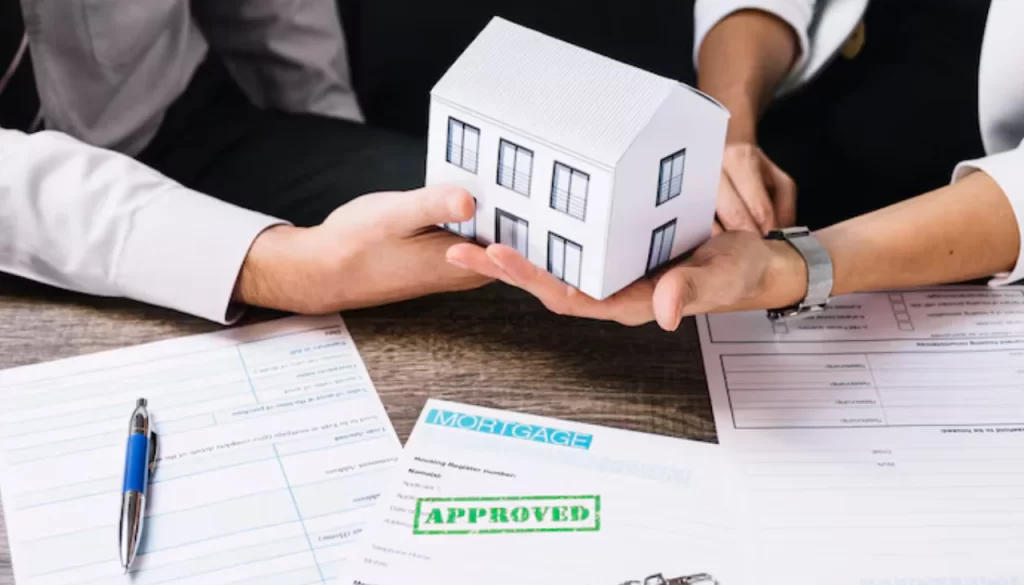
If you are availing a home loan, banks and financial institutions will conduct their own due diligence. However, you must not outsource all responsibility to them. Bank approvals are not foolproof. There have been instances where properties with litigation or legal stay orders have slipped through bank vetting. So take personal responsibility to check the original documents regardless of external verification.
In conclusion, the process of buying property demands more than just financial readiness, it demands legal awareness. Amid all the paperwork, appointments, and negotiations, one action remains constant: check the original documents. Not once or twice, but at every crucial step. By doing this, you don’t just buy property you buy peace of mind, security, and a future free from avoidable legal trouble. Let this be your guiding principle and your strongest safeguard.





Related Posts

Stay Informed With the Latest & Most Important News
Previous Post
Next Post










Advertisement