
Now Reading: Top Urban Planning Hyderabad – 2025 Guide
-
01
Top Urban Planning Hyderabad – 2025 Guide


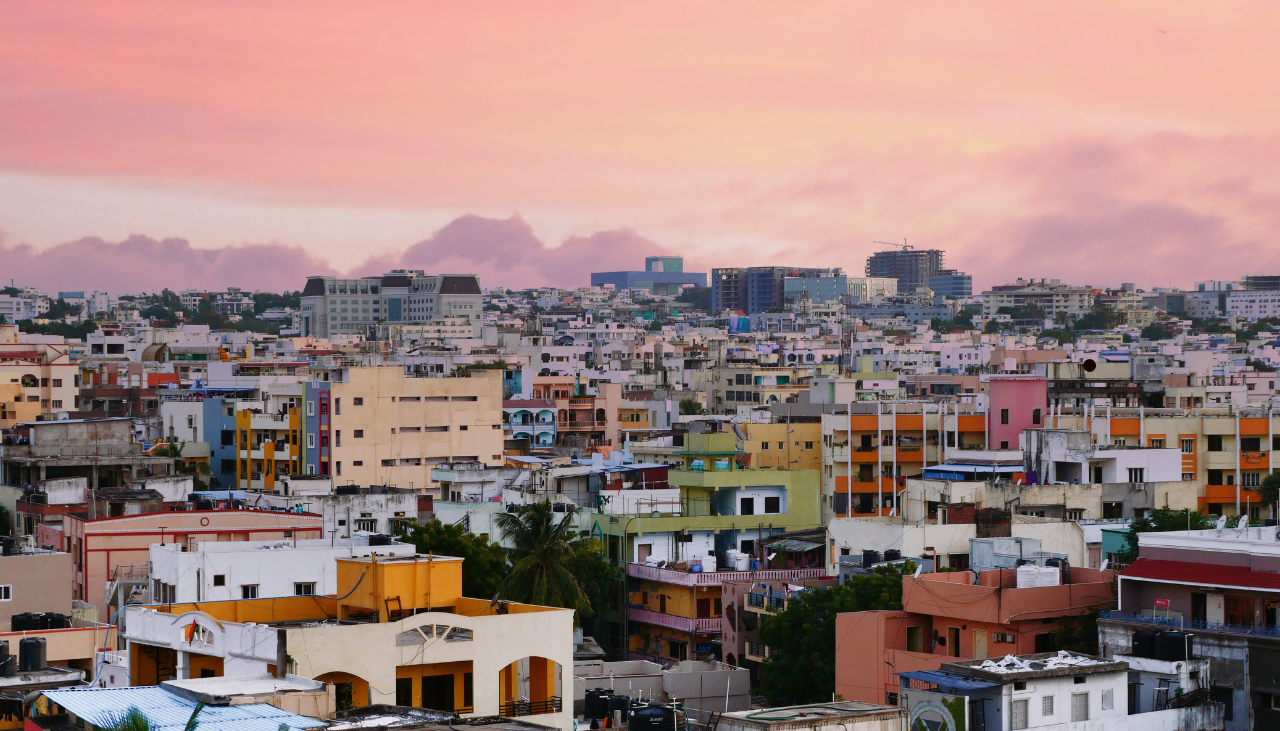
Urban development is no longer just about building roads and bridges; it’s about creating smart, sustainable, and livable spaces. In 2025, top urban planning initiatives are setting a benchmark for Indian cities. With the city’s rapid transformation into a global business hub, urban planning plays a critical role in shaping infrastructure, improving connectivity, and influencing real estate growth.
From tech corridors to residential clusters, Hyderabad’s landscape is being strategically molded to accommodate future growth. For investors, developers, and buyers, understanding the dynamics of top urban planning in Hyderabad helps unlock new opportunities.
Why Urban Planning Matters in 2025
The population of Hyderabad is expected to exceed 1.2 crore by 2030, with an annual growth rate of 2–3%. Such expansion demands foresight in infrastructure, zoning, transportation, and housing. Hence, top urban planning Hyderabad has become a key driver behind real estate appreciation, project viability, and livability indexes.
Key objectives of current urban planning include:
- Enhancing last-mile connectivity
- Balancing commercial and residential zoning
- Encouraging mixed-use developments
- Integrating green and smart infrastructure
- Fostering inclusive, walkable communities
Major Market Trends in Urban Planning – Hyderabad 2025
1. Transit-Oriented Development (TOD)
Urban planners in Hyderabad are pushing TOD near metro lines and key corridors. Neighborhoods like Miyapur, LB Nagar, and Raidurg are witnessing rapid vertical and horizontal real estate development due to metro integration.
2. Data-Driven Zoning by HMDA
The Hyderabad Metropolitan Development Authority (HMDA) is leveraging GIS and real-time data to plan future growth. This has made land acquisition, permissions, and infrastructure planning more transparent and efficient.
3. Focus on Peripheral Zones
The new Master Plan focuses heavily on outer areas like Patancheru, Kompally, Shamirpet, and Kandukur. These are now classified under top urban planning Hyderabad areas due to their potential for large-scale township and industrial development.
Top Areas Benefiting from Urban Planning
1. Kokapet
- Integrated Township Model with IT parks, residential blocks, and social infrastructure
- Strategic proximity to the Financial District
- Growing luxury and mid-range housing segment
2. Gachibowli–Nanakramguda
- Epicenter of IT, banking, and pharma industries
- Smart traffic management systems and better civic planning
- Strong demand for Grade A commercial spaces and premium apartments
3. Maheshwaram
- Emerging as a logistics and industrial hub
- TSIIC support for special economic zones (SEZs)
- Affordable housing focus under Pradhan Mantri Awas Yojana (PMAY)
4. Shamirpet
- Integrated with Genome Valley and MedTech Park
- Boost in healthcare, biotech, and educational infrastructure
- Gated community projects with high rental potential
Challenges in Urban Planning
Even with commendable strides in top urban planning Hyderabad, some hurdles remain:
- Land acquisition disputes slowing infrastructure projects
- Overdependence on private developers, leading to uneven development
- Water management issues in fast-growing peripheral zones
- Lag in implementing green building norms in Tier-II areas
Future Outlook
By 2025 and beyond, top urban planning Hyderabad is expected to continue focusing on sustainability, resilience, and digital integration. Projects like the Hyderabad Growth Corridor, Pharma City, and Regional Ring Road are set to elevate land values and infrastructure standards.
Investors and developers aligning with urban planning policies stand to gain long-term appreciation, faster approvals, and better brand equity. The government’s commitment to making Hyderabad a Global City by 2030 further strengthens the real estate fundamentals.
FAQ – Urban Planning in Hyderabad
1. What is driving top urban planning in Hyderabad in 2025?
A mix of population growth, IT corridor expansion, infrastructure modernization, and government policy reforms are shaping urban planning initiatives.
2. Which zones are considered top urban planning areas in Hyderabad?
Kokapet, Gachibowli, Shamirpet, Maheshwaram, and Patancheru are some of the most planned and promising zones under HMDA.
3. How does urban planning affect real estate investment?
Well-planned areas tend to offer better connectivity, amenities, and civic infrastructure, resulting in higher ROI and long-term stability.
4. Is urban planning focused only on Hyderabad city limits?
No, 2025 planning extends into ORR and peripheral zones to decongest the core and promote equitable growth.
5. What role does HMDA play in Hyderabad’s urban planning?
HMDA is the apex body for regional planning, zoning, and project approvals. It uses tech-driven tools for efficient and sustainable urban development.





Related Posts
Stay Informed With the Latest & Most Important News
Previous Post
Next Post




Advertisement