
Now Reading: Top Zoning Regulations Hyderabad – 2025 Guide
-
01
Top Zoning Regulations Hyderabad – 2025 Guide



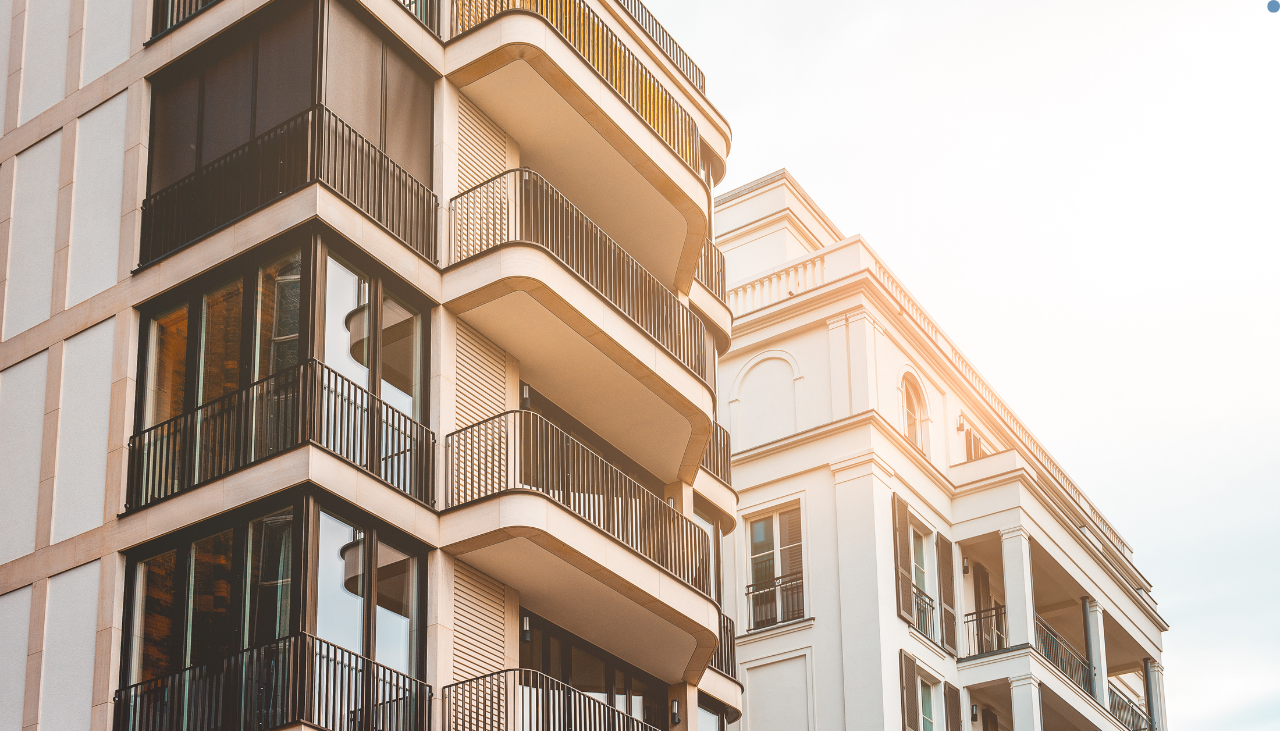
As Hyderabad continues its transformation into a world-class urban hub, understanding the zoning regulations Hyderabad has in place for 2025 is essential for real estate investors, homebuyers, urban developers, and policymakers. Zoning laws influence what can be built, where, and how, making them a key component of city planning and real estate investment.
In 2025, zoning regulations in Hyderabad have become more sophisticated and aligned with future urban growth strategies, including transit-oriented development, green urban planning, and mixed-use zoning. For those looking to navigate Hyderabad’s property landscape efficiently, understanding these regulations is not just helpful; it’s vital.
What Are Zoning Regulations?
Zoning regulations define how parcels of land can be used in different parts of the city. These zones typically include:
- Residential (R1 to R4)
- Commercial (C1 to C3)
- Industrial
- Recreational/Open Space
- Mixed-Use Zones
- Special Development Zones
The zoning regulations Hyderabad implements are controlled by the Hyderabad Metropolitan Development Authority (HMDA) and Greater Hyderabad Municipal Corporation (GHMC), guided by the Master Plan and Local Area Plans (LAPs).
Key Changes in Zoning Regulations Hyderabad – 2025
1. Focus on Transit-Oriented Development (TOD)
To reduce traffic congestion and support public transport, the 2025 zoning rules emphasize high-density development along metro corridors like:
- Miyapur to LB Nagar (Red Line)
- Nagole to Raidurg (Blue Line)
- BHEL to Lakdikapul (Upcoming corridor)
TOD zones now permit mixed-use buildings, including retail, office spaces, and residential apartments in the same structure.
2. Vertical Growth Encouraged
With limited horizontal space in central Hyderabad, the 2025 regulations now promote vertical development, particularly in:
- HITEC City
- Financial District
- Gachibowli
- Kukatpally
The Floor Space Index (FSI) has been relaxed in selected high-growth zones, enabling developers to maximize land usage.
3. Green Buffer Zoning
Hyderabad’s Master Plan 2031 introduced green buffers near water bodies and heritage zones. In 2025, this will be strictly enforced. Construction near lakes like Hussain Sagar, Durgam Cheruvu, and Musi River now requires clearances and reduced FSI.
Market Trends Shaped by Zoning Rules
Zoning regulations in Hyderabad influence the supply and demand of real estate in different zones:
- Western Hyderabad continues to attract IT companies due to relaxed commercial zoning norms.
- East Hyderabad, especially Uppal and LB Nagar, is gaining traction as residential zoning expands near new metro lines.
- Mixed-use zones are increasing in areas like Ameerpet, Moosapet, and SR Nagar to encourage urban walkability.
These trends have a direct impact on property prices, rental yields, and developer interests.
Top Areas Aligned with Zoning Advantages
Here are some areas where zoning regulations in Hyderabad offer high investment potential:
| Area | Zoning Type | Investment Benefit |
| Gachibowli | Commercial + Residential | High FSI, IT Corridor, TOD benefits |
| Miyapur | TOD + Residential | Metro access, mixed-use development growth |
| Kompally | R2/R3 Residential | Affordable plots, future commercial potential |
| Pocharam | Industrial + Residential | SEZ proximity, zoned for growth |
| Shankarpally | Green Zone + R1 | Eco-projects, villa development opportunities |
Challenges in Zoning Regulations Implementation
While zoning regulations Hyderabad are essential for order, some challenges persist:
- Overlap of Authority: Conflicts between HMDA, GHMC, and Revenue departments delay project approvals.
- Illegal Constructions: Despite stricter rules, unauthorized developments continue in peri-urban zones.
- Lack of Awareness: Small investors and buyers often fail to check zoning compliance, leading to legal risks.
Future Outlook – What to Expect?
By the end of 2025, Hyderabad is likely to see:
- Full integration of zoning regulations with GIS-based property mapping
- Digital permits for building plan approvals aligned with zone types
- Expansion of urban agglomeration zones into suburban districts like Shadnagar, Yadagirigutta, and Medchal
- Greater public participation in zoning plan revisions via online portals
With the Telangana government promoting sustainable development, zoning will continue to evolve in sync with climate goals, economic growth, and smart city objectives.
FAQ – Zoning Regulations Hyderabad
1. What is the importance of zoning regulations in Hyderabad real estate?
Zoning regulations ensure planned urban growth, prevent land-use conflicts, and determine the permissible construction type, which directly affects investment potential and legal compliance.
2. How can I check the zoning type of a property in Hyderabad?
You can verify zoning information via the HMDA or GHMC online portals, where GIS-based maps and zoning classifications are published.
3. Are there penalties for violating zoning rules in Hyderabad?
Yes, construction without adherence to zoning laws can result in heavy penalties, demolition notices, or denial of occupancy certificates.
4. Which areas are best for commercial investment according to 2025 zoning updates?
Gachibowli, Financial District, and areas near Metro Phase II corridors like BHEL-Lakdikapul offer top commercial potential due to favorable zoning.
5. Can residential zones be converted to commercial use?
In some cases, with proper approvals and if aligned with the Master Plan, zone conversions are permitted. However, this depends on location, infrastructure, and city development plans.
Conclusion:
The zoning regulations Hyderabad has implemented in 2025 are shaping the city’s skyline, influencing land values, and enabling better infrastructure planning. Whether you’re a developer, investor, or buyer, staying informed about these regulations is key to making smart, future-ready real estate decisions.
For more updates and expert insights on Hyderabad’s property market, visit https://realtydatahub.com.





Related Posts


Stay Informed With the Latest & Most Important News
Previous Post
Next Post








Advertisement