
Now Reading: Road Access Verification: Property Verification Checklist for Road Access Verification of Properties in Hyderabad, Telangana
-
01
Road Access Verification: Property Verification Checklist for Road Access Verification of Properties in Hyderabad, Telangana

Road Access Verification: Property Verification Checklist for Road Access Verification of Properties in Hyderabad, Telangana

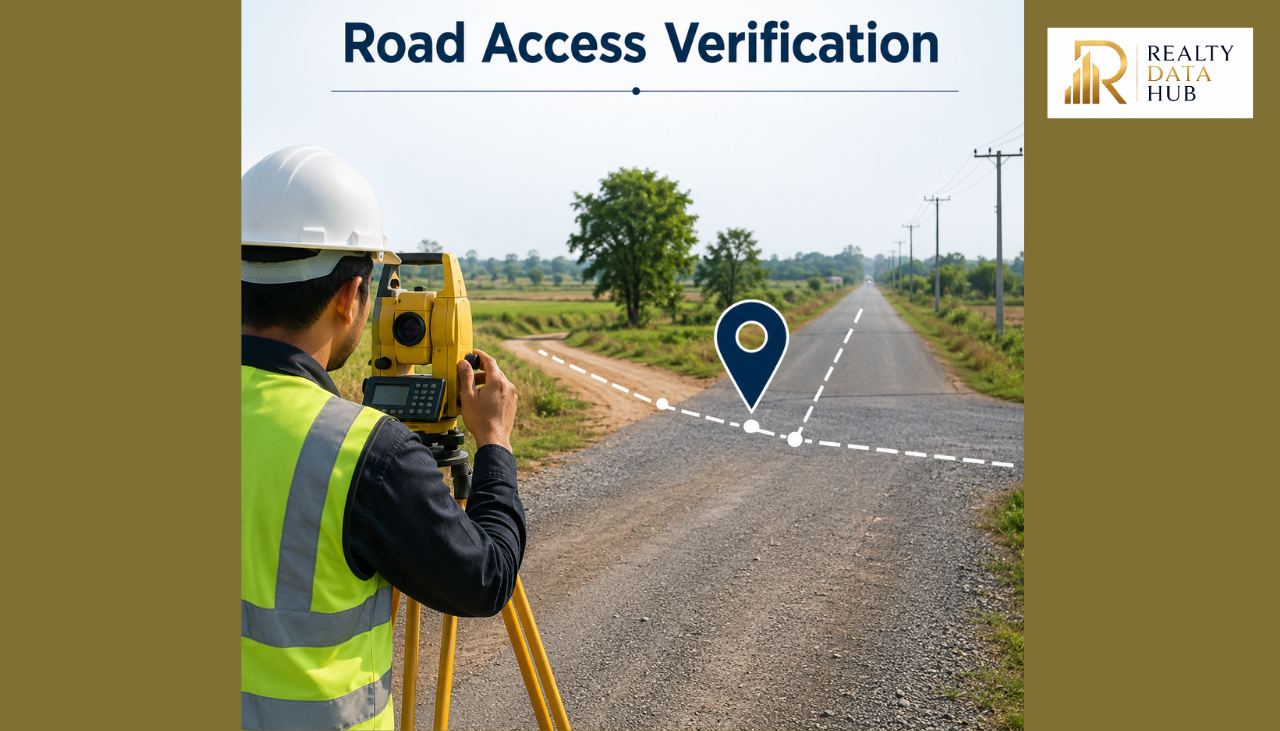
Road Access Verification is one of the most important steps in evaluating any residential, commercial, or investment property in Hyderabad, Telangana. A property may appear attractive because of its location, price, or future development prospects, but its value and usability depend significantly on lawful and practical road access. Proper verification protects buyers from disputes, prevents unexpected legal complications, and ensures that the property can be accessed safely and conveniently throughout its lifetime.
A systematic approach to property verification helps reduce uncertainty before completing a transaction. Whether purchasing land, an apartment, an independent house, or a commercial plot, every buyer should perform careful due diligence. One of the most valuable habits during this process is to Check the antecedents of the vendor(s) before relying on any claims or documentation. This step supports informed decision-making and strengthens confidence in the transaction.
Why Road Access Verification Matters
Road access directly influences property usability, resale value, emergency accessibility, and infrastructure development. A legally recognized access road ensures that residents, visitors, emergency services, utility providers, and delivery vehicles can reach the property without unnecessary obstacles.
Many buyers focus primarily on the property’s dimensions and market value while overlooking access rights. However, even an excellent property can become difficult to use if the connecting road is disputed, encroached upon, or lacks official approval. Therefore, Check the antecedents of the vendor(s) while simultaneously confirming the legal status of every access road associated with the property.
Understanding Road Access in Hyderabad
Hyderabad continues to expand with new residential layouts, commercial developments, and infrastructure projects. As the city grows, properties may be connected through municipal roads, layout roads, private roads, or easement pathways. Each category carries different legal and practical implications.
Buyers should verify whether the road is officially recognized by the relevant authorities, whether maintenance responsibilities are clearly defined, and whether there are any pending disputes affecting access. During this review, always Check the antecedents of the vendor(s) to ensure that ownership history and representations remain consistent with official records.
Essential Property Verification Checklist
A thorough property verification process should include multiple layers of document examination and physical inspection.
- Verify Ownership Records
Confirm that the seller possesses a clear and marketable title. Review previous ownership records, registered sale deeds, inheritance documents where applicable, and supporting legal documentation.
Equally important, Check the antecedents of the vendor(s) to identify whether previous transactions reveal inconsistencies or unresolved concerns.
- Examine Road Connectivity
Visit the property personally to determine whether the road shown in documents actually exists on the ground. Confirm that the road width corresponds with approved plans and allows comfortable movement for vehicles and pedestrians.
Never rely solely on promotional brochures. Instead, Check the antecedents of the vendor(s) and compare every representation with physical observations.
- Review Approved Layout Plans
Request copies of approved layout plans and compare them with the site’s current condition. Ensure that roads, open spaces, and public utility areas remain intact and have not been altered through unauthorized construction.
During this review, Check the antecedents of the vendor(s) so that documentation presented aligns with the property’s development history.
- Confirm Public Access
Determine whether the approach road is open for unrestricted public use or whether it passes through private property requiring permissions or easement rights.
Understanding this distinction helps prevent future access disputes. At the same time, Check the antecedents of the vendor(s) to confirm the accuracy of all statements regarding road usage.
- Investigate Encroachments
Inspect whether neighboring structures, walls, temporary sheds, or commercial activities have narrowed or obstructed the approach road.
Even a minor encroachment can affect long-term accessibility. Therefore, Check the antecedents of the vendor(s) while verifying whether any complaints or disputes have previously arisen.
- Validate Municipal Records
Compare the property’s documentation with available municipal or planning authority records to confirm that road alignments and access provisions match officially approved plans.
Documentation should remain consistent across all records. Additionally, Check the antecedents of the vendor(s) before proceeding toward final negotiations.
- Inspect Utility Access
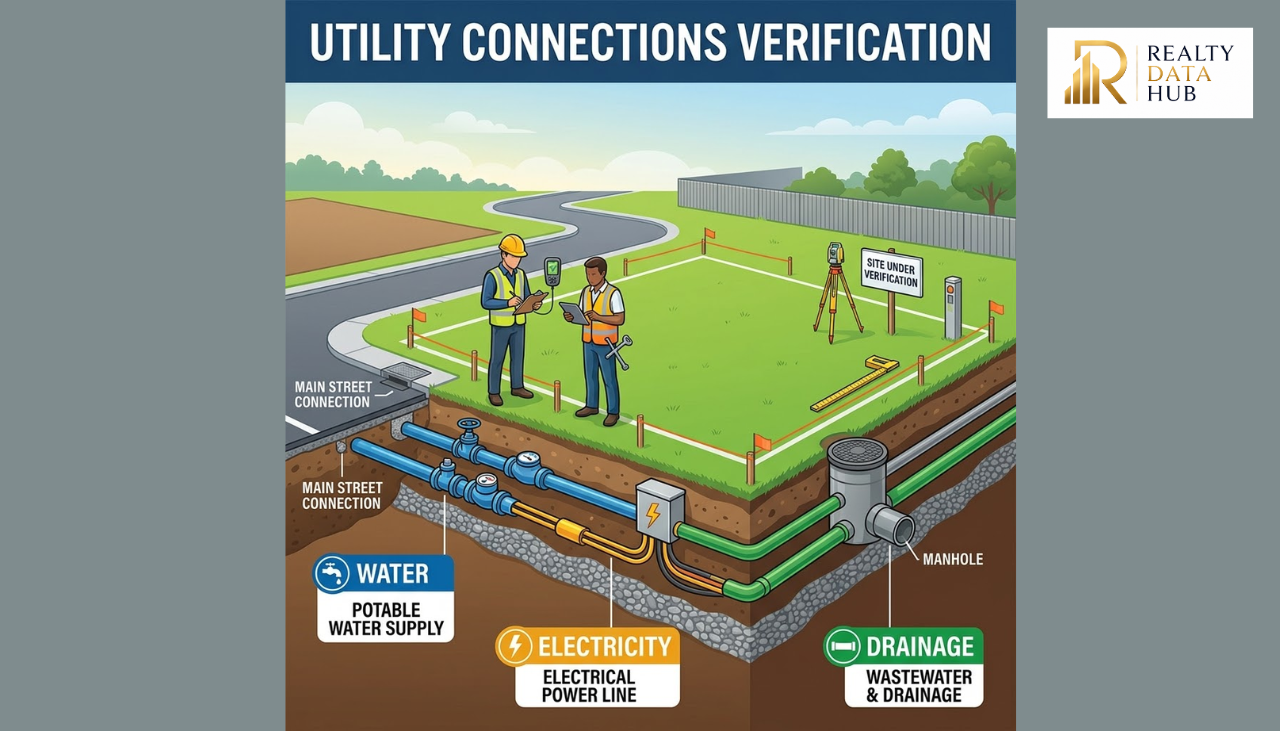
Roads often serve as corridors for water pipelines, drainage systems, electricity, telecommunications, and other public utilities. Verify that utility infrastructure can be maintained without legal obstacles.
While reviewing these aspects, Check the antecedents of the vendor(s) to support a comprehensive evaluation.
Conducting a Physical Inspection
A site inspection provides valuable information beyond paperwork. Walk the entire access route from the nearest public road to the property’s entrance. Observe road conditions during different times of the day if possible.
Pay attention to traffic flow, flooding risks, road maintenance, street lighting, and neighborhood development. Compare these observations with official records and seller representations. Throughout the verification process, remember to Check the antecedents of the vendor(s) before making any financial commitment.
Reviewing Legal Documentation
Proper documentation forms the foundation of a secure property purchase. Buyers should carefully review title documents, registration records, approved plans, tax records, and any agreements affecting access rights.
Where shared roads exist, verify maintenance responsibilities and usage rights among neighboring property owners. Every document should support the same ownership and access narrative. As always, Check the antecedents of the vendor(s) before relying on assurances provided during negotiations.
Importance of Professional Assistance
Experienced legal professionals, licensed surveyors, and qualified property consultants can identify issues that may not be immediately visible to buyers. Their expertise helps interpret complex records, identify discrepancies, and recommend additional verification where necessary.
Professional guidance complements independent research rather than replacing it. Regardless of expert opinions, continue to Check the antecedents of the vendor(s) as part of your personal due diligence.
Common Risks to Watch For
Several issues may affect road access and should never be ignored:
- Unapproved internal roads.
- Boundary mismatches.
- Encroachments affecting road width.
- Conflicting ownership claims.
- Missing access rights.
- Unregistered agreements.
- Changes from approved layout plans.
- Pending legal disputes.
Recognizing these warning signs early helps reduce future complications. During every stage, Check the antecedents of the vendor(s) before accepting explanations or supporting documents.
Benefits of Comprehensive Verification
Thorough verification offers long-term advantages beyond completing the purchase. It contributes to legal certainty, smoother financing, improved resale opportunities, and greater confidence in future property development.
Road access verification also benefits families, businesses, tenants, and future purchasers by minimizing uncertainty and encouraging transparent transactions. A disciplined verification process consistently includes the practice to Check the antecedents of the vendor(s) before reaching any final decision.
Final Thoughts
Road access verification is far more than confirming the existence of a roadway. It involves evaluating legal rights, approved plans, physical accessibility, ownership history, documentation consistency, infrastructure availability, and future usability. A structured verification process helps buyers make informed decisions while reducing avoidable risks.
Every successful property transaction begins with careful preparation and objective examination. By reviewing documents thoroughly, inspecting the site personally, consulting qualified professionals, validating official records, and remembering to Check the antecedents of the vendor(s) at every critical stage, buyers can approach property purchases in Hyderabad, Telangana with greater clarity, stronger legal awareness, and long-term confidence.
Property Verification Checklist
Use the following checklist before purchasing a property:
- □ Verify ownership documents.
- □ Confirm registered title records.
- □ Check approved layout plans.
- □ Verify legal road access.
- □ Measure actual road width.
- □ Inspect the approach road physically.
- □ Ensure there are no encroachments.
- □ Verify municipal approvals.
- □ Review tax payment records.
- □ Confirm utility access.
- □ Check for easement rights, if applicable.
- □ Review boundary measurements.
- □ Investigate pending legal disputes.
- □ Confirm neighborhood infrastructure.
- □ Compare documents with the physical site.
- □ Consult a qualified legal professional.
- □ Obtain a professional land survey if needed.
- □ Review all supporting records carefully.
- □ Check the antecedents of the vendor(s).
- □ Complete verification before finalizing the purchase.





Related Posts


Stay Informed With the Latest & Most Important News
Previous Post
Next Post
Previous Post
Next Post










Advertisement