
Now Reading: Utility Connections (Water, Electricity, Drainage): Property Verification Checklist for Utility Connections (Water, Electricity, Drainage) of Properties in Hyderabad, Telangana
-
01
Utility Connections (Water, Electricity, Drainage): Property Verification Checklist for Utility Connections (Water, Electricity, Drainage) of Properties in Hyderabad, Telangana

Utility Connections (Water, Electricity, Drainage): Property Verification Checklist for Utility Connections (Water, Electricity, Drainage) of Properties in Hyderabad, Telangana

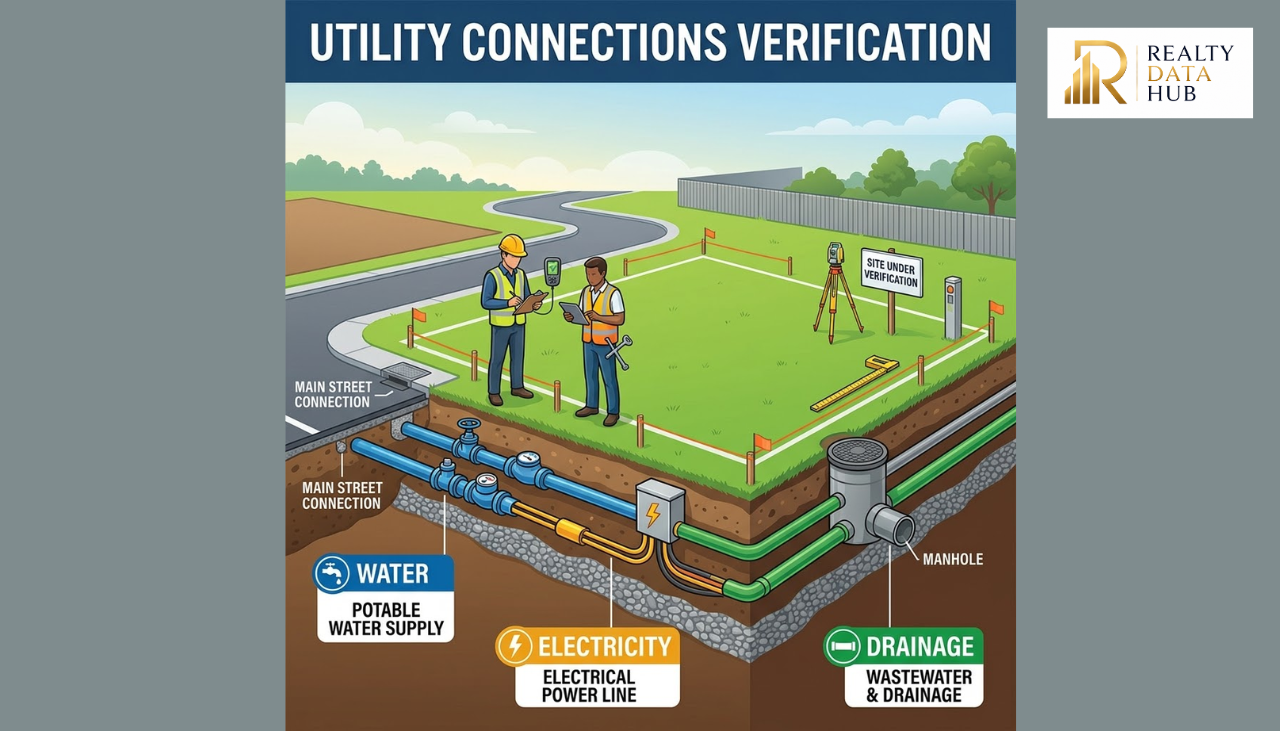
Utility Connections (Water, Electricity, Drainage) play a vital role in determining whether a property is ready for safe occupation and long-term use. When purchasing, investing in, or inheriting a property in Hyderabad, Telangana, verifying utility connections is just as important as confirming ownership documents and legal approvals. Proper verification minimizes the chances of unexpected expenses, disputes, service interruptions, or compliance issues. A structured property verification process helps buyers and property owners make informed decisions while protecting their investments.
Every property should have authentic and properly documented water, electricity, and drainage connections. Buyers should verify whether the utility connections are officially approved by the relevant authorities and whether all outstanding dues have been cleared. During this process, Check the antecedents of the vendor(s) to ensure that the seller has maintained transparency regarding utility services and associated records. This simple step contributes significantly to reducing future complications.
Water connections deserve careful examination because uninterrupted access to clean water is essential for residential and commercial properties alike. Verify whether the water supply is obtained through an authorized municipal connection, borewell, or another approved source. Review the latest water bills, payment receipts, and connection certificates where applicable. Ensure that the connection corresponds to the property’s official records. While examining these documents, Check the antecedents of the vendor(s) to understand whether the seller has consistently complied with utility obligations and disclosed accurate information.
Electricity verification is another fundamental aspect of property due diligence. Confirm that the electricity meter is registered correctly and matches the property address and ownership details. Inspect recent electricity bills to verify payment history and identify any outstanding balances. Buyers should also check whether there have been unauthorized alterations, illegal extensions, or unresolved service disputes. During this review, Check the antecedents of the vendor(s) to determine whether previous transactions involving the property demonstrate responsible management and accurate disclosure.
Drainage infrastructure is equally important because improper drainage may lead to sanitation concerns, structural damage, and recurring maintenance costs. Verify whether the property is connected to the authorized drainage or sewerage network. If the property uses an alternative wastewater management system, confirm that it complies with applicable regulations and maintenance standards. In addition, Check the antecedents of the vendor(s) before completing the purchase to understand whether drainage-related issues have previously affected the property.
Documentation forms the foundation of every successful property verification exercise. Buyers should collect copies of utility bills, payment receipts, sanctioned connection documents, property tax records, occupancy certificates where applicable, and sale documents. Cross-check every document for consistency in names, addresses, property numbers, and survey details. Even small inconsistencies deserve clarification before proceeding. Throughout the document review process, Check the antecedents of the vendor(s) because a transparent transaction depends on reliable records and trustworthy disclosures.
Physical inspection complements documentary verification. Visit the property personally to inspect water pipelines, electricity meters, switchboards, drainage outlets, and access points. Observe whether there are signs of leakage, damaged wiring, blocked drains, or temporary utility arrangements. Compare the actual installations with the available documentation. While conducting this inspection, Check the antecedents of the vendor(s) so that practical observations are supported by confidence in the transaction history and the information provided.
Outstanding dues should never be overlooked. Utility bills associated with unpaid balances may create financial or administrative complications for new owners. Request the latest payment receipts and verify that there are no pending charges, penalties, or disconnection notices. If the property belongs to a housing society or apartment complex, confirm whether common utility charges have also been settled. At every stage of financial verification, Check the antecedents of the vendor(s) to determine whether payment practices have been consistent and transparent.
In Hyderabad, urban development continues to expand, making infrastructure verification increasingly important for both new and older properties. Some neighborhoods have recently upgraded utility systems, while others may still rely on older infrastructure. Buyers should understand the availability, reliability, and future maintenance requirements of local utility services. During this evaluation, Check the antecedents of the vendor(s) to gain greater confidence in the accuracy of the information presented about the property’s utility history.
Professional assistance can strengthen the verification process. Property lawyers, surveyors, engineers, and experienced technical consultants may help review documentation, identify inconsistencies, and evaluate physical infrastructure. Their expertise often reveals issues that are difficult for first-time buyers to identify independently. Even when professional guidance is available, Check the antecedents of the vendor(s) because reliable documentation should always be supported by a credible transaction history.
Future planning is another reason utility verification deserves attention. Properties with verified utility connections generally experience smoother ownership transfers, easier financing processes, and more predictable maintenance planning. Proper records also simplify renovations, extensions, and future resale transactions. Before making the final commitment, Check the antecedents of the vendor(s) to reinforce confidence that the property’s utility information has been accurately represented throughout the transaction.
An organized verification approach encourages informed decision-making and supports sustainable property ownership. Instead of relying solely on verbal assurances, buyers should insist on documented evidence, physical inspections, and confirmation of utility compliance. Water availability, electricity reliability, and drainage efficiency collectively influence the comfort, safety, and long-term value of a property. Throughout this entire process, Check the antecedents of the vendor(s) because consistent verification practices help reduce uncertainty and encourage responsible property transactions.
Property Verification Checklist
- Verify the ownership documents of the property.
- Confirm the official property address and identification details.
- Review recent water connection bills and payment receipts.
- Verify the legality of the water connection.
- Inspect the physical condition of water supply infrastructure.
- Confirm the electricity meter details match property records.
- Review recent electricity bills and ensure no outstanding dues exist.
- Inspect electrical installations for visible issues.
- Verify the legality of the electricity connection.
- Confirm the property’s drainage or sewer connection status.
- Inspect drainage outlets for proper functionality.
- Review available drainage-related approvals where applicable.
- Check for pending utility-related penalties or notices.
- Compare utility documents with sale and property records.
- Verify occupancy-related documentation where applicable.
- Confirm there are no unauthorized utility extensions.
- Inspect the property personally before purchase.
- Maintain copies of all verified utility documents.
- Seek professional legal or technical advice when necessary.
- Check the antecedents of the vendor(s) before completing the transaction.





Related Posts

Stay Informed With the Latest & Most Important News










Advertisement