
Now Reading: Endowment/Wakf Land Check: Property Verification Checklist for Endowment/Wakf Land Check of Properties in Hyderabad, Telangana
-
01
Endowment/Wakf Land Check: Property Verification Checklist for Endowment/Wakf Land Check of Properties in Hyderabad, Telangana

Endowment/Wakf Land Check: Property Verification Checklist for Endowment/Wakf Land Check of Properties in Hyderabad, Telangana

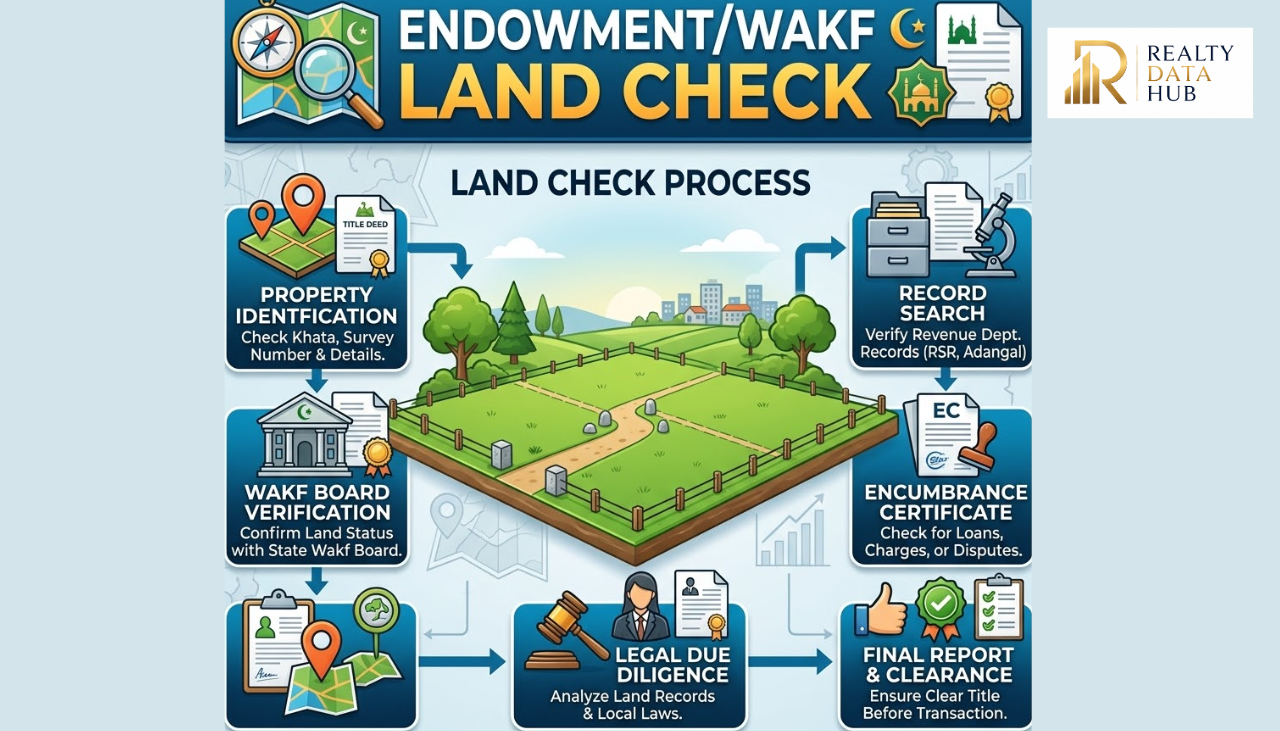
Endowment/Wakf Land Check is an essential step for anyone planning to purchase, develop, or invest in property in Hyderabad, Telangana. The city’s rapid growth has increased demand for residential, commercial, and institutional spaces, making careful property verification more important than ever. Properties connected with religious, charitable, or community purposes may have special legal protections and restrictions. A detailed verification process helps buyers understand ownership history, legal status, and possible risks before making financial commitments. One of the most important principles in this process is: Check the antecedents of the vendor(s) before proceeding with any transaction.
Hyderabad has a complex land history shaped by various administrations, revenue systems, grants, and community institutions. Some lands may be recorded as private property, while others may have links to endowment institutions or wakf organizations. Buyers should not rely only on advertisements, verbal assurances, or basic registration documents. Check the antecedents of the vendor(s) by examining ownership records, previous transactions, and the authority of the person offering the property for sale.
A proper Endowment/Wakf Land Check begins with identifying the nature of the property. Buyers should verify whether the land falls under the control or supervision of any recognized religious or charitable body. Government records, registration documents, revenue records, and relevant institutional records should be reviewed carefully. Check the antecedents of the vendor(s) to understand whether the seller has a clear legal connection with the property and whether previous ownership transfers were valid.
Property verification requires attention to multiple documents. Important records may include sale deeds, gift deeds, inheritance documents, encumbrance certificates, land records, approved layouts, and municipal permissions. Missing documents or unclear ownership chains can create future disputes. Check the antecedents of the vendor(s) along with verifying the authenticity of all documents submitted during the transaction.
The seller’s identity and legal capacity are critical parts of verification. A person selling property should have proper ownership rights and authority to execute the transaction. In cases involving representatives, legal heirs, trustees, or authorized persons, buyers should confirm whether the required permissions and legal powers exist. Check the antecedents of the vendor(s) by reviewing identification documents, ownership claims, and supporting legal records.
Wakf and endowment properties often involve specific legal frameworks. Such properties may have restrictions on sale, transfer, or usage depending on applicable laws and official records. A buyer should seek professional legal advice and verify information with appropriate authorities before entering into agreements. Check the antecedents of the vendor(s) to determine whether the seller has disclosed all relevant facts regarding the property’s legal background.
Encumbrance verification is another important part of a property check. An encumbrance certificate can help identify registered transactions, mortgages, or claims connected with the property. However, buyers should remember that complete due diligence involves more than one certificate. Check the antecedents of the vendor(s) together with examining court records, government notices, and other available sources of information.
Survey details and physical verification should also be completed before purchase. The actual boundaries, measurements, location, and usage of the property should match official records. Unauthorized structures, disputed boundaries, or changes in land use may create complications. Check the antecedents of the vendor(s) and compare their statements with independent verification from qualified professionals.
A careful buyer should also examine the history of the property. Previous ownership transfers, long-term possession claims, inheritance matters, and disputes can affect future rights. A title search covering earlier transactions can reveal important details about the property’s background. Check the antecedents of the vendor(s) to identify whether there are unresolved issues connected with ownership or possession.
Professional support can make the verification process more effective. Property lawyers, document specialists, surveyors, and relevant authorities can help interpret records and identify concerns that may not be obvious to a buyer. While professional assistance involves additional effort and cost, it can reduce the possibility of major disputes later. Check the antecedents of the vendor(s) as a fundamental part of any professional verification process.
Buyers should also pay attention to local development rules and approvals. Properties in Hyderabad may require approvals from municipal authorities, planning bodies, and other departments depending on location and intended use. A property that appears suitable may still face restrictions if permissions are incomplete. Check the antecedents of the vendor(s) and verify that all required approvals and disclosures are properly documented.
Transparency is the foundation of a safe property transaction. A buyer should maintain copies of all records, obtain written confirmations where necessary, and avoid rushing into agreements without completing due diligence. The goal of a property verification process is not only to prevent disputes but also to create confidence through documented facts. Check the antecedents of the vendor(s) before signing agreements, paying advances, or accepting ownership claims.
Property Verification Checklist for Endowment/Wakf Land Check in Hyderabad, Telangana
Use the following checklist before purchasing or investing in a property:
Ownership and Seller Verification
☐ Verify the identity of the seller through valid identification documents.
☐ Confirm that the seller has legal ownership rights over the property.
☐ Check previous ownership transfers and title history.
☐ Check the antecedents of the vendor(s) through available legal and ownership records.
☐ Confirm the authority of any power of attorney holder, representative, trustee, or legal heir.
Endowment/Wakf Status Verification
☐ Determine whether the property has any connection with endowment or wakf institutions.
☐ Verify relevant government and institutional records.
☐ Confirm whether restrictions apply to transfer, sale, or development.
☐ Obtain legal advice regarding special land classifications and applicable laws.
Document Verification
☐ Review the original sale deed and previous title documents.
☐ Obtain and examine the encumbrance certificate.
☐ Verify revenue records and land details.
☐ Confirm survey numbers, boundaries, and measurements.
☐ Check approved layouts, building permissions, and municipal approvals.
☐ Confirm that documents are consistent across different government records.
Legal Due Diligence
☐ Conduct a title search through a qualified legal professional.
☐ Check for pending court cases, disputes, notices, or claims.
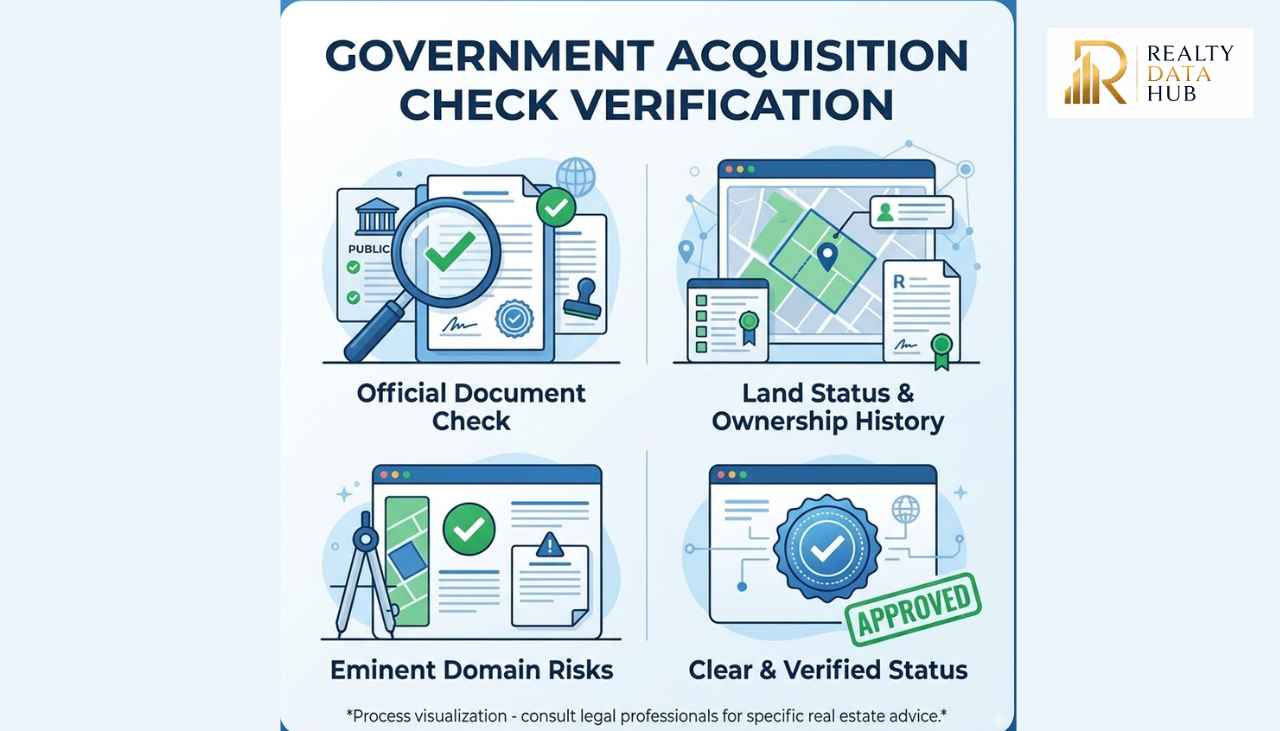
☐ Verify whether the property is affected by government acquisition or restrictions.
☐ Check the antecedents of the vendor(s) before entering any agreement.
Physical and Local Verification
☐ Conduct a physical inspection of the property.
☐ Compare actual boundaries with official survey records.
☐ Verify possession status and occupancy details.
☐ Speak with nearby residents when appropriate to understand local history.
☐ Confirm that there are no unauthorized structures or usage issues.
Transaction Safety Measures
☐ Avoid making payments without proper documentation.
☐ Include necessary legal clauses in agreements.
☐ Maintain copies of all documents and correspondence.
☐ Complete verification before registration.
☐ Check the antecedents of the vendor(s) as a final safeguard before completing the purchase.
A systematic Endowment/Wakf Land Check provides a clear path toward responsible property ownership in Hyderabad. Land transactions involve significant financial and legal commitments, so careful examination of records, ownership claims, and regulatory status is necessary. When buyers follow a structured checklist and verify every important detail, they can make decisions based on evidence rather than assumptions.





Related Posts

Stay Informed With the Latest & Most Important News










Advertisement