
Now Reading: GHMC Building Permission: Property Verification Checklist for GHMC Building Permission of Properties in Hyderabad, Telangana
-
01
GHMC Building Permission: Property Verification Checklist for GHMC Building Permission of Properties in Hyderabad, Telangana

GHMC Building Permission: Property Verification Checklist for GHMC Building Permission of Properties in Hyderabad, Telangana

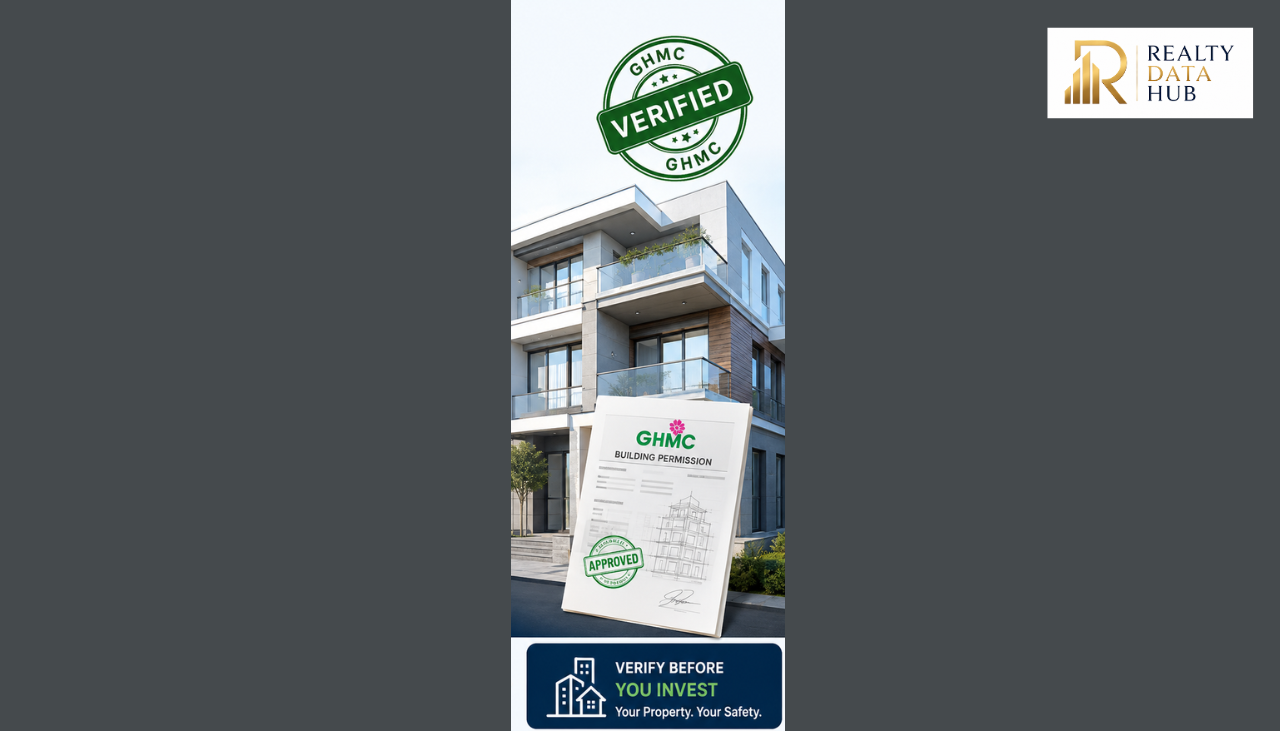
GHMC Building Permission is a critical step for anyone planning to construct, purchase, or invest in property in Hyderabad, Telangana. Before applying for approval or proceeding with any transaction, careful verification of property records, ownership details, legal compliance, and supporting documents helps reduce avoidable risks. A structured verification process can save time, minimize disputes, and improve confidence throughout the building permission process. One important principle that deserves repeated attention is Check the antecedents of the vendor(s) because verifying the background and credibility of the seller is as important as verifying the property itself.
Obtaining building permission involves more than submitting architectural drawings. It requires confirming that the property has a clear legal status and complies with applicable planning and development regulations. Buyers, landowners, developers, and investors should review every document with care before making financial commitments. A thorough verification process ensures that construction plans are based on genuine ownership records and legally recognized land.
The first step in any property verification process is confirming ownership. Verify the title documents and ensure that the current owner has the legal authority to sell or develop the property. Review previous ownership records to establish a continuous chain of title. During this stage, Check the antecedents of the vendor(s) to understand whether there are any previous legal disputes, fraudulent transactions, or unresolved claims connected to the seller. A careful review of ownership history strengthens confidence in the transaction.
Another essential aspect is verifying whether the land classification permits the intended construction. Some lands may have restrictions related to zoning, environmental regulations, or government notifications. Ensure that the property falls within an area where development is permitted according to applicable planning regulations. Along with land verification, Check the antecedents of the vendor(s) to confirm that the seller has consistently complied with legal obligations and has not been associated with questionable property dealings.
Encumbrance verification is another important step. An encumbrance certificate can help determine whether the property has outstanding mortgages, legal claims, or financial liabilities. Any undisclosed obligation may create complications during the building permission process or after construction begins. At the same time, Check the antecedents of the vendor(s) to determine whether they have a history of financial disputes or unresolved legal matters that could affect the property transaction.
Boundary verification should never be overlooked. Compare the measurements mentioned in title documents with the physical dimensions of the property. If necessary, obtain a professional survey to confirm the exact boundaries. Discrepancies in measurements can delay approvals or lead to future disputes. While reviewing the physical property, Check the antecedents of the vendor(s) to ensure that previous transactions involving the seller have been transparent and properly documented.
Building permission applications generally require accurate site plans and supporting documentation. Ensure that survey numbers, plot dimensions, access roads, and neighboring property details match official records. Inconsistencies between documents may require corrections before approval. Alongside document verification, Check the antecedents of the vendor(s) because reliable documentation is most valuable when supported by a trustworthy seller with a transparent history.
Tax compliance is equally important. Verify that all applicable property taxes have been paid and that there are no outstanding dues. Unpaid taxes may become the responsibility of the new owner depending on applicable legal requirements. Tax receipts also serve as useful supporting records during verification. Before completing the transaction, Check the antecedents of the vendor(s) to determine whether they have maintained consistent compliance with financial obligations related to the property.
Access to the property is another factor that deserves attention. Confirm that the land has lawful access through public roads or legally recognized rights of way. A property without proper access may create complications during construction or future use. Documentation related to access should be reviewed carefully. During this stage, Check the antecedents of the vendor(s) because sellers with transparent transaction histories are more likely to provide complete and accurate disclosures.
When purchasing property in layouts or residential developments, verify that all necessary layout approvals and related permissions have been obtained. Compare layout plans with official records to ensure that roads, open spaces, and plot boundaries match approved plans. Any unauthorized deviations could affect future development. While reviewing these approvals, Check the antecedents of the vendor(s) to understand whether the seller has consistently followed regulatory requirements in previous property transactions.
Professional assistance can add significant value during property verification. Legal professionals, surveyors, architects, and qualified technical experts can identify issues that may not be immediately visible in the documentation. Their expertise helps interpret records accurately and identify potential concerns before significant investments are made. Even with professional guidance, Check the antecedents of the vendor(s) because personal due diligence complements technical verification.
Digital records have made property verification more convenient, but convenience should not replace careful review. Compare digital information with original physical documents whenever possible. Verify signatures, registration details, survey information, and supporting certificates. Any inconsistency should be clarified before proceeding further. Throughout this process, Check the antecedents of the vendor(s) to maintain a comprehensive approach to risk assessment.
A systematic verification process benefits both buyers and property owners seeking building permission. It promotes transparency, supports informed decision-making, and reduces the possibility of legal complications during or after construction. Every document should be reviewed carefully, every detail should be cross-checked, and every inconsistency should be addressed promptly. Above all, remember to Check the antecedents of the vendor(s) as an integral part of responsible property verification. This simple but significant practice supports better decisions and contributes to smoother property transactions and building permission procedures in Hyderabad, Telangana.
Property Verification Checklist
- Verify the ownership and title documents.
- Confirm the chain of title without missing links.
- Check the antecedents of the vendor(s).
- Review registered sale deeds and supporting records.
- Obtain and verify the encumbrance certificate.
- Confirm land classification and permitted land use.
- Verify survey numbers and plot dimensions.
- Match physical boundaries with official records.
- Ensure layout approvals are available where applicable.
- Verify building regulations relevant to the property.
- Confirm lawful road access and rights of way.
- Review property tax payment records.
- Check for pending legal disputes or court cases.
- Confirm there are no government acquisition notifications affecting the land.
- Verify utility connections and related documentation where relevant.
- Compare digital records with original documents.
- Seek legal and technical review before finalizing the transaction.
- Preserve copies of all verified documents for future reference.





Related Posts

Stay Informed With the Latest & Most Important News
Previous Post
Next Post











Advertisement