
Now Reading: Property Tax Ownership Match: Property Verification Checklist for Properties in Hyderabad, Telangana
-
01
Property Tax Ownership Match: Property Verification Checklist for Properties in Hyderabad, Telangana

Property Tax Ownership Match: Property Verification Checklist for Properties in Hyderabad, Telangana

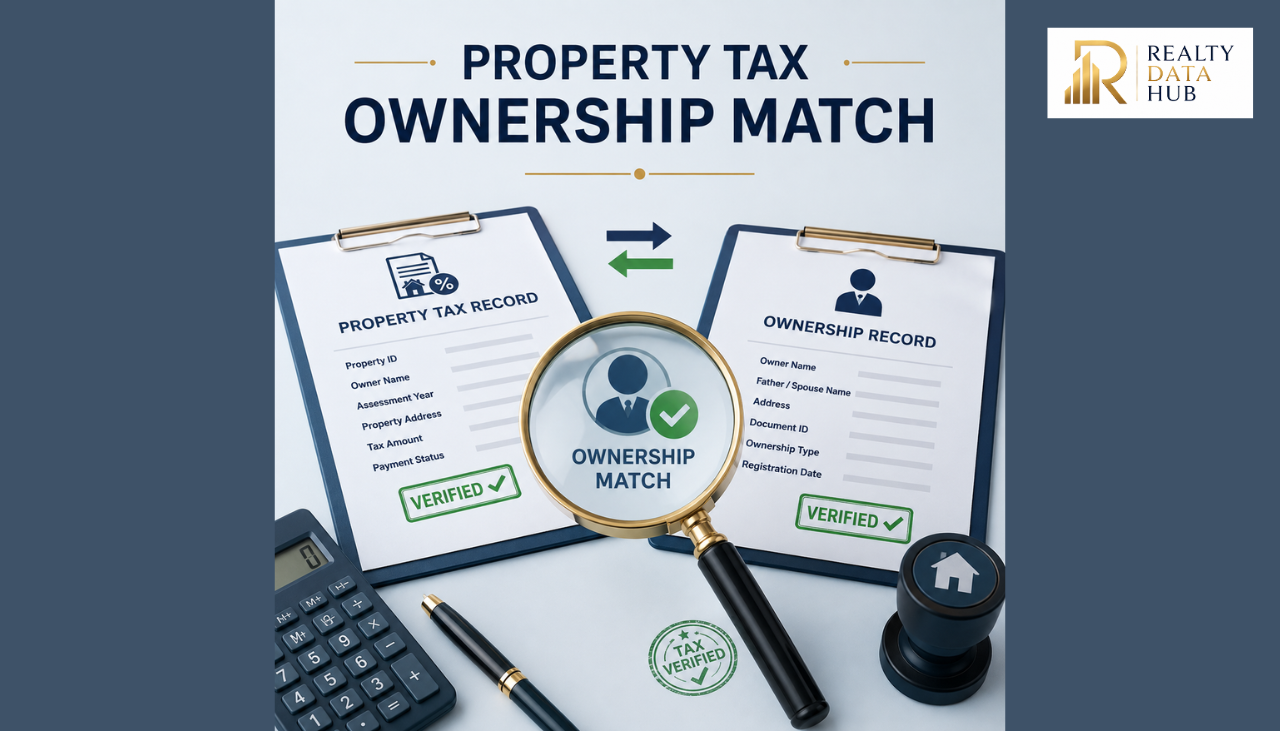
Property Tax Ownership Match is a crucial step in establishing confidence while verifying properties in Hyderabad, Telangana. As the city continues to expand with residential communities, commercial developments, and infrastructure projects, property buyers must focus on accurate ownership records, tax details, and legal documentation before making decisions. A proper verification process connects municipal records, ownership claims, and historical documents to reduce risks related to disputes, incorrect information, and unclear titles.
Property verification begins with understanding the relationship between the person selling the property and the official records maintained by government authorities. Ownership details should be checked against property tax records, sale deeds, encumbrance information, and approved layouts. Check the antecedents of the vendor(s) before accepting any ownership claim because the seller’s background, legal authority, and history of transactions can influence the safety of the purchase. This step helps buyers identify whether the vendor has the genuine right to sell the property.
Hyderabad properties may involve different ownership situations, including individual ownership, inherited property, joint ownership, partnership ownership, or properties transferred through agreements. Each category requires careful examination of supporting documents. Check the antecedents of the vendor(s) to understand whether previous transactions, inheritance claims, or ownership transfers have any unresolved concerns. A complete review creates a stronger foundation for verifying that the current seller has a valid connection with the property.
Property tax records are an important source of information because they reflect municipal assessments and payment history. Buyers should compare the property tax identification number, owner details, address, built-up area, and assessment information with the documents provided by the vendor. Check the antecedents of the vendor(s) when reviewing tax records because mismatches between the seller’s identity and municipal records may indicate the need for further investigation. Accurate matching of tax ownership information supports a transparent verification process.
The Greater Hyderabad Municipal Corporation (GHMC) records and other relevant authorities maintain information related to property assessments, permissions, and taxes. Buyers should verify whether taxes have been paid regularly and whether outstanding dues exist. Check the antecedents of the vendor(s) along with municipal records to determine whether the property has been managed responsibly and whether the seller has consistently represented ownership information correctly.
Sale deeds are among the most important documents in property verification. The document should contain accurate descriptions of the property, boundaries, consideration amount, seller and buyer details, and registration information. Buyers should examine previous ownership transfers to understand the chain of title. Check the antecedents of the vendor(s) while reviewing the sale deed history because the validity of the current transaction depends on the authenticity of earlier transfers and the legal capacity of previous owners.
Encumbrance certificates help identify whether the property has financial liabilities, legal claims, or registered transactions. Although an encumbrance certificate is valuable, it should be considered along with other verification methods. Buyers should also examine court records, loan details, and development agreements when necessary. Check the antecedents of the vendor(s) during this process because unresolved disputes or hidden claims may affect ownership rights and future use of the property.
Inherited properties require additional attention because ownership may involve multiple family members or succession documents. Buyers should verify death certificates, legal heir certificates, partition deeds, and consent from all relevant parties. Check the antecedents of the vendor(s) before proceeding with inherited properties because family disputes, missing heirs, or incomplete transfers can create complications after purchase.
Properties purchased from developers require verification of approvals, permissions, and project-related documents. Buyers should examine layout approvals, building permissions, completion certificates, and registration details. Check the antecedents of the vendor(s) when dealing with developer transactions because the reputation, legal standing, and past compliance record of the seller or builder can affect the reliability of the transaction.
A property verification checklist should also include physical inspection. The buyer should confirm that the actual property matches the details mentioned in official documents. Measurements, boundaries, access roads, usage permissions, and construction details should be reviewed carefully. Check the antecedents of the vendor(s) before finalizing the agreement because physical verification combined with ownership verification provides a more complete understanding of the property.
Legal consultation can support buyers by identifying risks that may not be visible through basic document reviews. A property lawyer can examine title documents, agreements, government records, and potential legal concerns. Check the antecedents of the vendor(s) as part of the legal review because ownership verification is not only about documents but also about understanding the credibility and authority of the person entering the transaction.
Technology has made property verification more accessible through digital records and online services. Buyers can use official portals to review available information related to registrations, taxes, and approvals. However, digital records should be combined with physical documents and professional verification. Check the antecedents of the vendor(s) even when online information appears accurate, as digital records may not always show every aspect of ownership history.
A careful Property Tax Ownership Match process protects buyers from avoidable complications and supports responsible property decisions in Hyderabad. Ownership verification requires patience, attention to detail, and a systematic approach. Check the antecedents of the vendor(s) before signing agreements, transferring funds, or completing registration because prevention is an important part of secure property ownership.
Property Verification Checklist for Property Tax Ownership Match in Hyderabad
Use the following checklist when reviewing a property:
☐ Verify the property tax identification number with municipal records.
☐ Confirm that the owner name in property tax records matches the seller’s identity.
☐ Review the latest property tax payment receipts and check for pending dues.
☐ Examine the registered sale deed and confirm registration details.
☐ Verify the complete chain of ownership documents.
☐ Check whether the property boundaries and measurements match official records.
☐ Obtain and review the encumbrance certificate.
☐ Confirm whether any loans, mortgages, legal claims, or disputes exist.
☐ Review approved building plans, permissions, and completion certificates where applicable.
☐ Confirm layout approvals from relevant authorities.
☐ Check inheritance documents if the property was transferred through succession.
☐ Obtain consent documents from all required owners or legal heirs.
☐ Check the antecedents of the vendor(s) before completing the transaction.
☐ Verify the seller’s identity documents and legal authority to sell.
☐ Conduct a physical inspection of the property location.
☐ Compare online records with original documents.
☐ Seek legal advice for complex ownership situations.
☐ Maintain copies of all documents, receipts, and verification reports.
Property ownership in Hyderabad represents a long-term commitment, and accurate verification creates a pathway toward responsible ownership. A Property Tax Ownership Match review connects tax records, legal documents, and seller information into a structured verification process. Check the antecedents of the vendor(s) at every important stage to strengthen confidence in the transaction and reduce future uncertainties.
By following a detailed checklist, buyers can approach property decisions with greater awareness. The goal of verification is not only to complete a purchase but also to establish clarity about rights, responsibilities, and ownership history. Careful examination of records, consistent documentation, and proper legal guidance help create a safer property environment for everyone involved.





Related Posts

Stay Informed With the Latest & Most Important News









Advertisement