
Now Reading: Realtor SEO Mistakes: Top SEO Mistakes Realtors Make (and How to Fix Them)
-
01
Realtor SEO Mistakes: Top SEO Mistakes Realtors Make (and How to Fix Them)

Realtor SEO Mistakes: Top SEO Mistakes Realtors Make (and How to Fix Them)

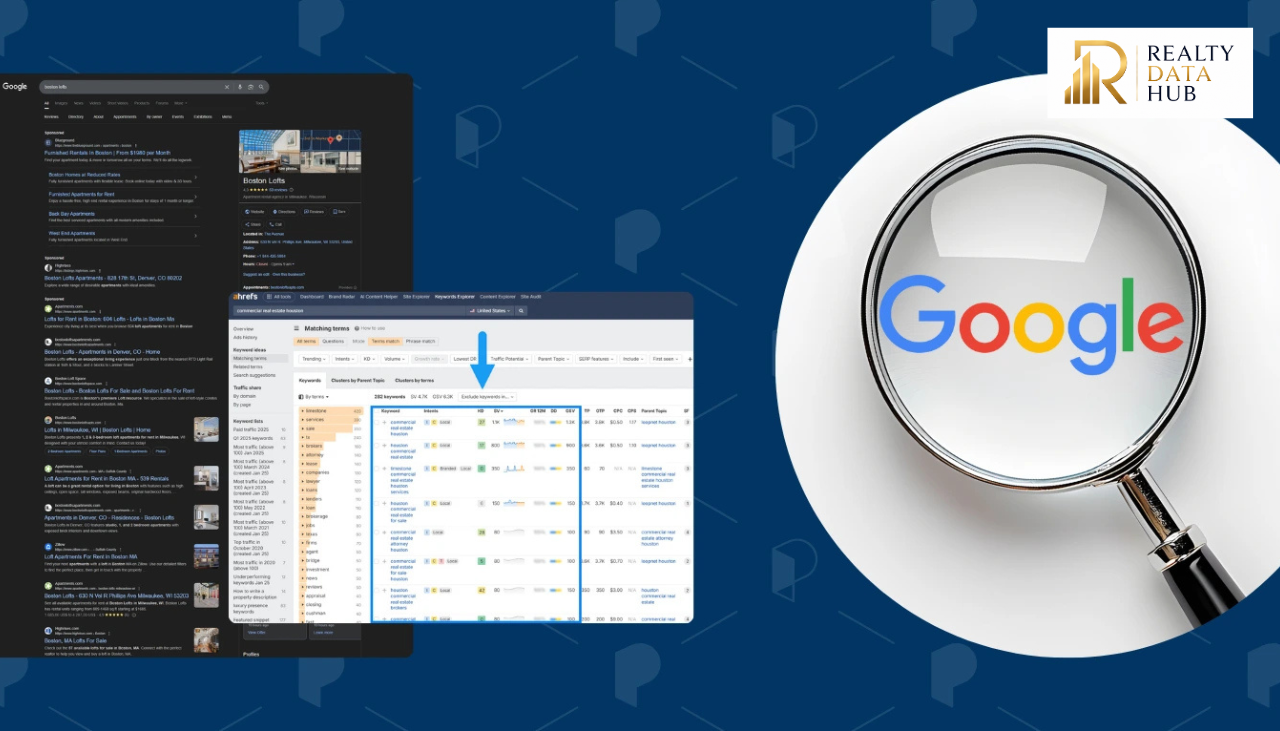
Realtor SEO mistakes can severely hinder the online visibility and growth of real estate businesses. In an increasingly digital world, having a strong online presence is essential for attracting new clients and staying competitive in the real estate market. However, many realtors fall into common SEO traps that prevent their websites from ranking well on search engines. In this article, we’ll explore some of the most common realtor SEO mistakes and provide actionable tips on how to fix them.
1. Neglecting Keyword Research
One of the most significant realtor SEO mistakes is not conducting thorough keyword research. Keywords are the foundation of SEO, and using the right ones ensures that potential clients can find your website. Many realtors fail to identify the search terms their target audience is using or rely on broad, competitive terms without focusing on long-tail keywords that offer higher conversion potential.
To fix this mistake, use tools like Google Keyword Planner, Ahrefs, or SEMrush to identify relevant keywords for your real estate niche. Focus on location-based keywords, such as “buy homes in [city]” or “homes for sale in [neighborhood].” These long-tail keywords are more specific and less competitive, increasing your chances of ranking higher in local searches.
2. Ignoring Local SEO
Local SEO is especially important for realtors, as most clients search for properties within specific geographic areas. A common realtor SEO mistake is failing to optimize for local search terms, which means missing out on potential leads. Without local SEO, your website may rank poorly in search results for relevant local queries, limiting your visibility.
To fix this mistake, ensure that your website includes location-specific keywords. Claim and optimize your Google My Business listing, ensuring that your business name, address, and phone number (NAP) are consistent across all platforms. Additionally, encourage clients to leave reviews on your Google My Business page, as positive reviews play a significant role in local SEO rankings.
3. Poor Mobile Optimization
With the rise of mobile internet usage, not having a mobile-optimized website is one of the most damaging realtor SEO mistakes. Many realtors still operate websites that are not mobile-friendly, causing potential clients to have a poor browsing experience. Google’s mobile-first indexing means that if your site isn’t optimized for mobile devices, your search engine rankings could be negatively affected.
To fix this mistake, ensure that your website is responsive and adapts to different screen sizes. Use mobile-friendly design elements such as larger buttons, simple navigation, and faster load times. Test your website on various devices to ensure a seamless experience for users, and use Google’s Mobile-Friendly Test tool to check for issues.
4. Overlooking Content Quality
Another realtor SEO mistake is relying on thin or generic content that doesn’t provide real value to users. Search engines like Google prioritize high-quality, informative content that answers users’ queries. Realtors who only publish brief property descriptions or generic content risk being overshadowed by competitors with more engaging, in-depth information.
To fix this, focus on creating high-quality content that provides value to your target audience. This could include blog posts about the local real estate market, guides for first-time homebuyers, or tips on staging homes for sale. The more useful and comprehensive your content, the more likely it is to rank well on search engines.
5. Not Optimizing Meta Tags
Meta tags, such as title tags and meta descriptions, are often overlooked in realtor SEO strategies. These tags play a crucial role in helping search engines understand the content of your pages and influencing click-through rates (CTR) from search results. Many realtors make the mistake of using vague or generic meta tags, which fail to attract users’ attention.
To fix this mistake, craft compelling and keyword-rich title tags and meta descriptions for each page on your website. Keep the title tag within 50-60 characters and the meta description under 160 characters to ensure they display correctly in search results. Include relevant keywords and make the content enticing to encourage users to click through to your site.
6. Failing to Optimize for Featured Snippets
Featured snippets are the boxed information that appears at the top of some search results, offering quick answers to users’ questions. Failing to optimize for featured snippets is a common realtor SEO mistake that can cost realtors valuable visibility. These snippets often take up prime real estate on search engine results pages (SERPs), and appearing in them can significantly increase traffic to your site.
To fix this mistake, optimize your content to answer common questions related to real estate in a concise and clear manner. Use bullet points, numbered lists, and short paragraphs to improve your chances of being selected for a featured snippet. Tools like Answer The Public can help identify frequently asked questions in your industry that you can target for snippet optimization.
7. Slow Website Load Speed
A slow-loading website is another serious realtor SEO mistake. Google considers page speed as a ranking factor, and users are more likely to leave a website if it takes too long to load. This negatively impacts user experience and can lead to higher bounce rates, which in turn affects your rankings.
To fix this mistake, use tools like Google PageSpeed Insights to analyze your website’s load speed and identify areas for improvement. Compress images, use browser caching, and minimize JavaScript to speed up your site. A faster website will not only improve your SEO but also provide a better experience for your visitors.
8. Focusing Solely on SEO Without User Experience
While SEO is important, focusing solely on SEO without considering user experience (UX) is a critical realtor SEO mistake. A website that ranks well but offers a poor user experience will not convert visitors into clients. Factors like navigation, content layout, and visual appeal play a significant role in how users interact with your site.
To fix this, ensure your website is easy to navigate, visually appealing, and provides a seamless experience across all devices. Consider conducting user testing to identify any friction points on your site and make necessary improvements to keep visitors engaged.
Conclusion
Realtor SEO mistakes can have a significant impact on your online visibility and the success of your real estate business. By avoiding common pitfalls such as neglecting keyword research, ignoring local SEO, and failing to optimize for mobile devices, you can improve your website’s search engine rankings and attract more potential clients. Focus on providing high-quality content, optimizing meta tags, and ensuring a fast and user-friendly website to boost your SEO efforts and stay ahead of the competition.





Related Posts



Stay Informed With the Latest & Most Important News
Previous Post
Next Post











Advertisement